
When it comes to maintaining the different systems within your home, few are as complex and essential as the heating, ventilation, and air conditioning (HVAC) system. As a homeowner, you might often face the difficult decision of whether to repair or replace a malfunctioning unit. This article explores the practical 50% rule that every homeowner should consider to make an informed choice.
Understanding the Costs
Making the decision between repairing or replacing an HVAC system can be daunting and fraught with financial implications. A crucial guideline many experts endorse is that if repairing your HVAC system costs 50% or more of what a new system would cost, a replacement is advisable. This perspective helps ensure your investment in a new unit delivers better efficiency and reliability over time, which is often more cost-effective.
In many cases, older systems suffer from persistent inefficiencies and recurrent breakdowns, driving up repair costs substantially. By following the 50% rule, homeowners decrease the likelihood of extending the life of outdated systems that consume more energy and ultimately cost more financially in the long run. This financial criterion not only guides the decision but can direct you towards newer, more eco-friendly models that support lower energy bills.
Beyond understanding repair costs, homeowners must also evaluate the potential financial savings from installing a newer, more efficient HVAC system. New models tend to offer improved technology, which can significantly reduce energy consumption. Over time, these savings can offset the initial higher cost of a new system compared to repairing an old unit repeatedly.
Regular Servicing: A Preventive Approach
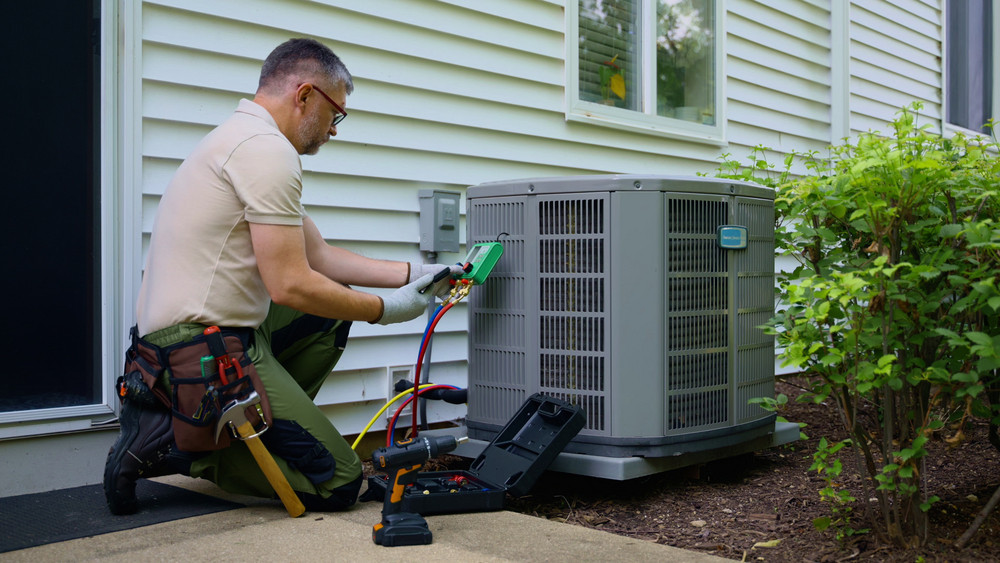
Regular servicing of your HVAC system is crucial, yet an overwhelming 42% of homeowners fail to maintain it on an annual basis. This oversight can greatly increase the chances of unexpected system breakdowns, leading to costly emergency repair calls. Ideally, a savvy homeowner should schedule maintenance checks at least twice a year: before the hot summer months and before the cold winter months to ensure optimal performance.
Routine maintenance not only helps to catch small issues before they escalate into larger, costlier problems but also extends the lifespan of the HVAC system. These inspections can help homeowners avoid the frustrating situation of sudden HVAC failures when the system is needed the most. Additionally, regular servicing ensures the system operates at peak efficiency, which contributes to lower energy bills.
Preventive care by homeowners is a small investment that pays dividends in the long run by promoting efficiency and durability. Partnering with a trusted HVAC service provider for these regular checkups can lead to significant savings in maintenance and repair costs. Moreover, such practices keep the system in compliance with warranties and manufacturer guidelines, securing value and assurance for the homeowner.
The Impact of Neglect
Neglecting necessary HVAC maintenance is a common issue that affects system performance and lifespans. The failure to conduct annual servicing of the HVAC system leaves many homeowners at risk of sudden breakdowns. This negligence often results in homeowners facing bigger unexpected expenses and less comfortable living conditions.
Research indicates that nearly half of all HVAC systems do not receive the yearly upkeep necessary to ensure they operate efficiently. By allowing this neglect, homeowners inadvertently shorten the system’s life and increase the frequency of costly repairs. Consequently, this leads to increased frustration and dissatisfaction with home comfort levels.
Additionally, neglect might compromise indoor air quality, directly affecting household health and comfort. Dust, allergens, and other pollutants can accumulate within an unmaintained system. Therefore, attention to routine maintenance not only protects your home’s HVAC investment but also secures a healthier living environment for all house residents.
Making Informed Decisions for Your Home
Ultimately, the decision to repair or replace your home’s HVAC system is a critical one, impacting both the comfort of your indoor environment and your financial commitments. Knowledge of the 50% rule serves as an important guiding principle. By weighing the costs and benefits carefully, homeowners can make informed decisions about their home’s HVAC needs.
Making proactive decisions aligned with the 50% rule helps shield homeowners from unsolicited expenses and the inconvenience of system failures. By opting for replacements at the right time, households ensure a comfortable, energy-efficient environment while optimizing resource allocation. The choice not only reflects a financial understanding but also a commitment to a stable home setting.
Staying informed about your HVAC system’s health is crucial, and understanding the importance of regular maintenance is part of that responsibility. Following the 50% rule, combined with annual servicing and timely replacement, equips homeowners to secure both financial savings and year-round comfort inside their homes. Keeping these insights in mind makes the dual tasks of maintaining and investing in HVAC systems more manageable and purposeful.

