
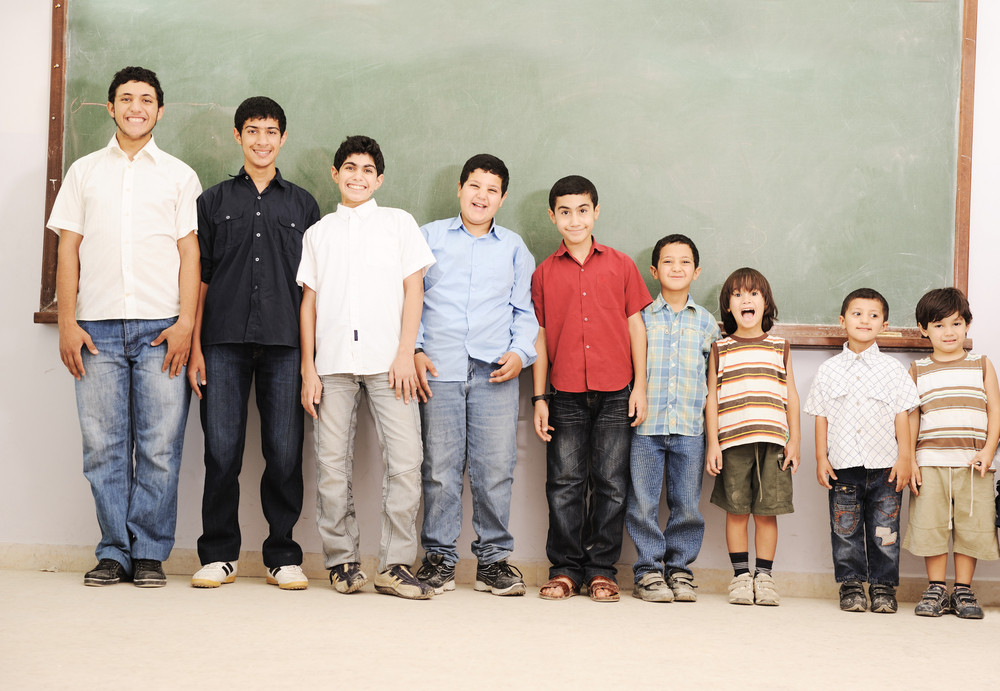
Communities are shaped by the people who live in them and the backgrounds, experiences, and traditions they bring with them. Immigration can introduce new cultures and perspectives, while diversity can influence how people communicate, raise families, and participate in their neighborhoods. These influences can continue across generations as residents establish roots and contribute to the places they call home.
Understanding these changes requires looking at more than where people were born. Language, immigration history, and the needs of families can all influence how communities develop and how residents connect.
Language Brings Different Cultures Together
Language is an important part of cultural identity and can influence how people interact within their communities. Residents may speak different languages at home, communicate in multiple languages, or encounter unfamiliar languages through their neighbors, schools, and local organizations. These interactions can introduce people to different traditions and perspectives.
The sheer number of languages used around the world demonstrates the breadth of linguistic diversity. According to Social Sci LibreTexts, estimates indicate that people communicate in roughly 7,000 different languages across 196 countries. This variety can be reflected within communities when immigration brings people with different linguistic and cultural backgrounds into the same neighborhoods.
Language can influence everyday experiences in schools, workplaces, businesses, and community organizations. A family may speak one language at home while using another in public settings, and children may become familiar with multiple languages as they grow. These experiences can create opportunities for people to learn from one another and develop greater awareness of different cultures.
Community spaces can encourage these interactions. Schools, libraries, recreational programs, and local events can bring residents together, giving people opportunities to form relationships with neighbors whose backgrounds may differ from their own. Over time, these connections can become part of the community’s shared identity.
Immigration Can Have Lasting Community Effects
The influence of immigration does not necessarily end when someone establishes a life in a new country. Immigrants may maintain cultural traditions while becoming deeply connected to their local communities. Their children and grandchildren may also preserve elements of their family heritage while developing identities shaped by the communities where they live.
The length of time many immigrants have spent in the United States highlights this lasting influence. According to the Migration Policy Institute, 41% of immigrants living in the United States in 2024 had entered the country before the year 2000. A significant portion of the immigrant population, therefore, has longstanding ties to American communities.
Immigrant communities can influence neighborhoods through cultural organizations, businesses, community events, and family networks. Local restaurants, markets, festivals, and other gathering places can introduce traditions to longtime residents while giving immigrant families opportunities to maintain connections to their heritage.
These influences can become part of community life over time. New residents may introduce traditions that become familiar to their neighbors, while established immigrant families can pass cultural practices from one generation to the next. As these interactions continue, communities can develop identities shaped by multiple cultural histories and experiences.
Community Services Can Support Diverse Families
As communities become more diverse, residents may have different needs that local services must address. Child care provides one example. Families can have different cultural backgrounds, household arrangements, and schedules, but they share the need for appropriate care for young children.
Caregiver ratios are one consideration when evaluating early childhood settings. According to ZERO TO THREE, its guidance calls for one adult to care for every four children younger than three. Appropriate staffing can help caregivers provide young children with the attention and supervision they need.
Child care can also connect families with the broader community. Parents may depend on care while working or managing other responsibilities, while children have opportunities to interact with peers and caregivers from different backgrounds. These settings can expose families to new languages, traditions, and perspectives.
More broadly, community services can benefit from recognizing that residents do not all have the same circumstances. Differences in language, cultural traditions, and immigration history can shape how families interact with local institutions and participate in community life.
Immigration and diversity can shape communities in lasting ways. Languages can bring different cultural perspectives together, immigrant families can contribute traditions across generations, and community services can help families with varied needs participate in daily life.
When communities recognize these differences, residents have more opportunities to connect, learn from one another, and contribute their own experiences. The result can be a community shaped by the many cultures, histories, and perspectives of the people who live there.

