
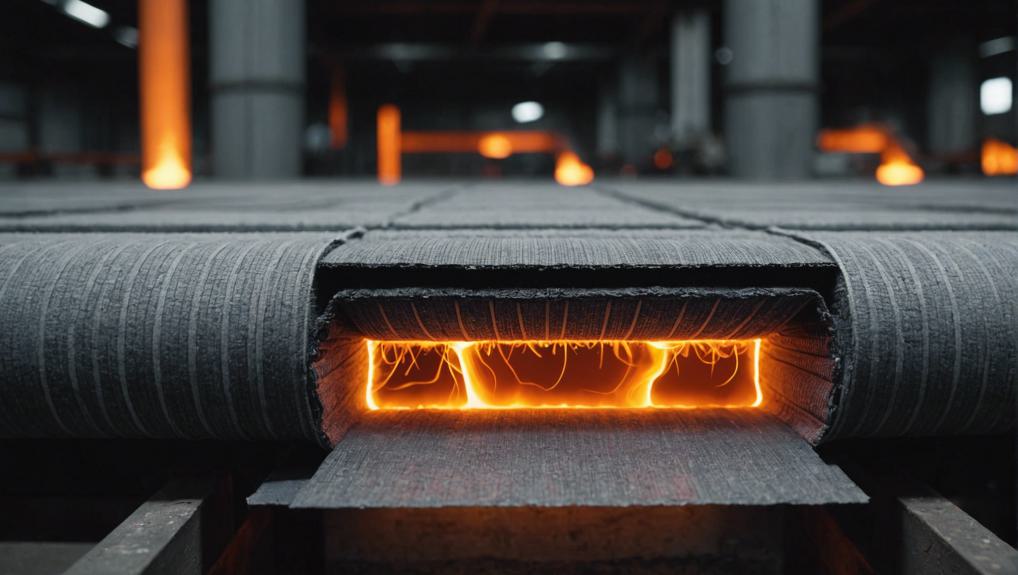
In today’s industrial landscape, enhancing energy efficiency is a critical priority for organizations seeking to reduce operational costs and minimize their environmental impact. An often underappreciated yet highly effective tool in achieving these goals is the use of fabric expansion joints. These advanced components play a significant role across various industrial applications, contributing to energy savings and improving overall operational performance. This article explores the impact of fabric expansion joints on energy efficiency in industrial settings and outlines their extensive benefits for companies such as Fox Equipment.
Understanding Fabric Expansion Joints
Fabric expansion joints are meticulously engineered to accommodate movement, vibrations, and thermal expansion within piping systems and ductwork. Constructed from durable materials such as fiberglass, neoprene, or silicone, these joints effectively absorb the stresses associated with temperature fluctuations and mechanical motion. They are particularly beneficial in scenarios where traditional metal joints may compromise structural integrity or lead to energy inefficiencies. By incorporating fabric expansion joints, industries can establish systems that are not only resilient but also conducive to energy conservation.
Mitigating Heat Loss and Energy Waste
One of the key advantages of fabric expansion joints is their ability to minimize heat loss in industrial operations. When heat escapes through poorly designed connections or degraded materials, energy consumption increases as systems work harder to maintain desired temperatures. Fabric expansion joints provide a robust sealing mechanism that significantly reduces the likelihood of leaks, thereby ensuring heat retention within the system. This effective reduction in heat dissipation can lead to substantial decreases in energy consumption and, consequently, lower operational costs.
Enhancing Airflow Efficiency
Optimizing airflow in ventilation and exhaust systems is essential for achieving energy efficiency in industrial environments. Fabric expansion joints contribute significantly to airflow management by providing a flexible, lightweight solution that reduces resistance. Unlike rigid joints that may induce turbulence and obstruct airflow, fabric expansion joints facilitate a smoother passage of air. This improvement in airflow efficiency ensures that systems operate more effectively, requiring less power from fans and blowers. As a result, companies realize a direct reduction in energy consumption and an enhancement in financial performance.
Reducing Maintenance Requirements and Downtime
Unforeseen equipment failures and regular maintenance can drive up energy costs and reduce operational efficiency. Fabric expansion joints are designed with durability in mind, exhibiting significantly less wear compared to traditional materials. Their inherent flexibility allows them to absorb vibrations and adapt to thermal expansion, resulting in fewer instances of cracks and leaks. By selecting high-quality fabric expansion joints from reputable suppliers such as Fox Equipment, industrial operations can decrease maintenance intervals and associated downtime. This not only conserves energy costs but also boosts overall productivity.
Promoting System Longevity
Extending the lifespan of industrial systems contributes not only to energy conservation but also aligns with sustainability objectives. Fabric expansion joints, made from high-grade, resilient materials, withstand harsh environmental conditions while maintaining their functional performance. A longer lifespan translates into reduced frequency of equipment replacements, which in turn decreases material waste and the energy costs associated with producing new components. This alignment with sustainability initiatives enhances the business case for fabric expansion joints, making them a strategic investment for forward-thinking organizations.
Conclusion
In summary, fabric expansion joints play a pivotal role in enhancing energy efficiency across a diverse range of industrial applications. By effectively mitigating heat loss, improving airflow dynamics, reducing maintenance needs, and promoting system longevity, these thoughtfully engineered components can generate significant energy savings for businesses. Organizations like Fox Equipment understand the strategic relevance of integrating fabric expansion joints into their operational framework to maintain a competitive edge while demonstrating environmental responsibility. As the industrial sector increasingly prioritizes sustainability and cost efficiency, the deliberate implementation of fabric expansion joints will undoubtedly enhance performance and overall operational effectiveness. Investing in such innovative solutions promises substantial financial and environmental returns over time.

