
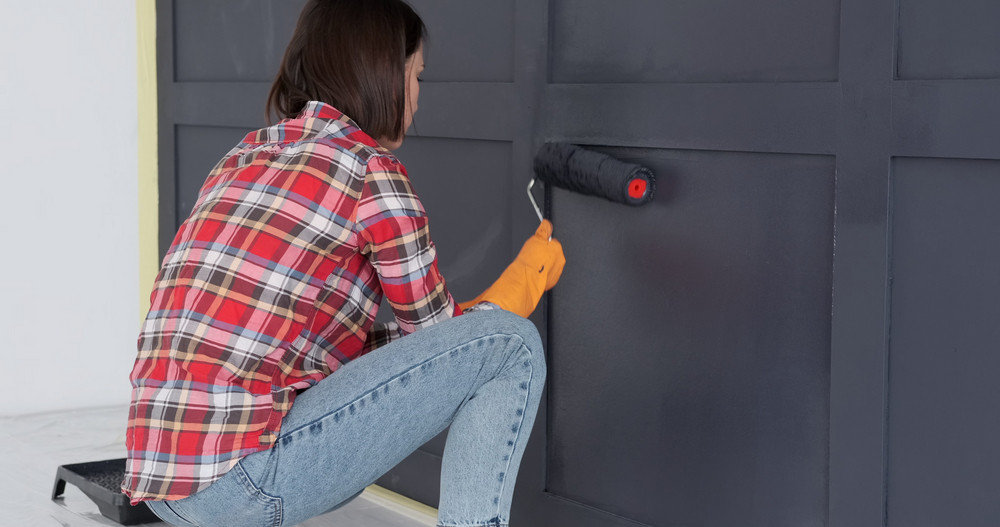
A fresh coat of paint is one of the simplest yet most effective ways to transform a home’s interior or exterior. While it may seem like a purely aesthetic update, paint plays a much larger role in both visual appeal and potential resale value.
Understanding the practical and financial impact of painting helps homeowners make more informed decisions when planning renovations or preparing a home for the market. Whether updating a single room or repainting an entire property, the effects of color and execution can be surprisingly powerful.
Understanding Paint Coverage and Project Planning
One of the first considerations in any painting project is how much paint is required to complete the job. Accurate coverage estimates help homeowners budget properly and avoid unnecessary delays during renovations.
According to Forbes, one gallon of paint typically covers around 350 square feet of wall space. This estimate is commonly used in project planning to determine how many gallons are needed based on room size and surface area. However, actual coverage can vary depending on wall texture, paint type, and the number of coats required.
Smoother surfaces may allow paint to spread more efficiently, while rough or porous walls may require additional product to achieve an even finish. Multiple coats are often needed when making dramatic color changes, especially when transitioning from dark to light shades or vice versa.
Understanding paint coverage is especially important for larger projects, where underestimating materials can lead to workflow interruptions. Proper planning ensures that homeowners can complete painting jobs efficiently without frequent trips to purchase additional supplies.
The Influence of Color on Home Resale Value
Beyond logistics and planning, paint color plays a major role in how a home is perceived by potential buyers. Color choices can influence mood, highlight architectural features, and shape first impressions during home showings.
According to Workyard, buyers tend to pay more for homes that feature dark, moody hues. These deeper color palettes often create a sense of sophistication, modern design, and visual depth. In many cases, darker tones can help rooms feel more refined and intentionally designed when paired with appropriate lighting and décor.
However, the impact of color on resale value can depend on how it is applied. While bold or dark shades may appeal to some buyers, others may prefer neutral tones that allow for easier customization. For this reason, many homeowners choose to balance trendy accent walls with more universally appealing base colors.
Paint color can also help highlight a home’s best features. For example, darker tones may emphasize architectural details such as molding, built-in shelving, or high ceilings. When used strategically, paint becomes more than decoration—it becomes a design tool that can enhance perceived value and buyer interest.
The Efficiency of Professional Painting Work
Another important factor in home painting projects is the speed and efficiency of application, especially when hiring professionals. Labor time can significantly influence both project timelines and overall costs.
According to Forbes, a professional painter can typically complete between 150 and 350 square feet per hour. This range reflects differences in surface complexity, preparation work, and the type of paint being used. Simple, open walls with minimal detail allow for faster application, while trim work, textured surfaces, and repairs may slow the process.
Professional painters also bring experience in surface preparation, which is a critical step in achieving a high-quality finish. Tasks such as sanding, patching holes, and priming surfaces can improve paint adhesion and durability. These steps, while time-consuming, help ensure a longer-lasting and more visually appealing result.
For homeowners, hiring professionals can reduce the physical effort and time commitment required for large-scale painting projects.
How Paint Transforms Home Appearance
While technical details such as coverage and labor efficiency are important, the visual impact of paint remains one of its most powerful benefits. Paint can completely transform a space’s atmosphere without requiring structural renovations.
Light colors can make small rooms feel larger and more open, while darker shades can create a cozy, intimate environment. Accent walls can add depth and personality to otherwise plain spaces. Exterior paint choices also influence curb appeal, which plays a key role in how a home is perceived from the street.
Paint has a far greater impact on homes than many homeowners realize. From influencing resale value and buyer perception to shaping project planning and labor efficiency, it plays a central role in both design and functionality.
By understanding factors such as coverage estimates, color psychology, and the speed of professional application, homeowners can make smarter decisions when planning painting projects. Whether the goal is to refresh a single room or prepare a property for sale, paint remains one of the most effective ways to improve appearance and value.

