
Key Takeaways
- Sustainable landscaping practices save water, reduce chemical use, and require less labor.
- Native plants attract wildlife and reduce the need for ongoing maintenance.
- Alternative lawn solutions and smart hardscaping lower resource consumption while keeping yards visually interesting.
Table of Contents
- Incorporate Native Plants
- Replace Traditional Lawns with Alternative Ground Covers
- Implement Water Conservation Techniques
- Create Wildlife-Friendly Habitats
- Utilize Sustainable Hardscaping Materials
- Practice Composting and Mulching
- Integrate Edible Landscaping
- Adopt Low-Maintenance Landscaping Practices
Transforming your suburban yard into a thriving, sustainable oasis offers benefits that extend beyond visual appeal. Implementing eco-friendly landscaping practices can help conserve natural resources, support wildlife, and reduce long-term maintenance. By engaging in mindful choices and design, you create a space that positively impacts both your home and the surrounding environment. For homeowners seeking inspiration or professional guidance, exploring local landscaping services can provide valuable support in achieving a sustainable yard.
Eco-conscious landscaping is gaining momentum as communities recognize the value of environmental stewardship. Traditional landscape practices are being replaced by methods that prioritize water conservation, biodiversity, and soil health. These approaches not only benefit the planet but also result in resilient, easy-care yards that homeowners and neighbors can enjoy for years. Such strategies ensure that every square foot of your outdoor space serves a beneficial purpose for people and nature alike.
Embracing native planting, altering your approach to lawn care, and making deliberate choices about hardscaping materials all contribute to a healthier environment. Your landscape can become a haven for pollinators, a source of homegrown food, and a showcase for innovative, resource-saving techniques. As sustainable practices move from trend to tradition, every step toward greening your yard creates a ripple effect that benefits the whole community.
Beyond beauty and functionality, sustainability also provides homeowners with peace of mind, knowing that their landscaping supports local ecosystems and responds to the challenges of climate and water management. Homeowners in surrounding areas can explore expert help through a range of specialized landscaping services to bring sustainable visions to life.
Incorporate Native Plants
Utilizing native plants is one of the most foundational steps toward a sustainable yard. Native species have evolved to thrive in local climates, soils, and seasonal variations, making them hearty choices that need less supplemental water or fertilizers than non-native varieties. Native plantings attract and support birds, butterflies, bees, and other vital pollinators, strengthening the entire local ecosystem. For homeowners, integrating native wildflowers, grasses, and shrubs can provide year-round interest and bolster ecological health. The National Audubon Society offers resources to identify regionally appropriate species.
Replace Traditional Lawns with Alternative Ground Covers
Lawns composed primarily of turfgrass can be water-intensive and often require significant maintenance, including mowing, fertilizing, and pesticide use. Alternatives such as low-growing clover, wildflower blends, or drought-tolerant ground covers present an attractive, eco-friendly solution. These choices not only reduce the demand for irrigation but also boost biodiversity by supporting beneficial insects and reducing the need for chemical interventions. Letting portions of your yard transition to native meadow or ground cover areas, often called “rewilding,” is a simple yet effective way to enhance sustainability.
Implement Water Conservation Techniques
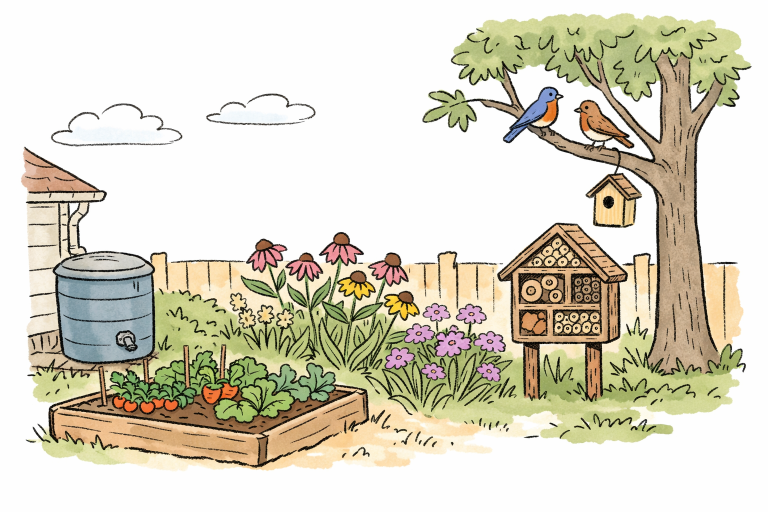
Efficient water management is essential in a sustainable landscape, especially in regions prone to seasonal drought. Consider installing rain barrels or cisterns to collect rainwater for garden irrigation. Select plants with low water requirements and group them according to their watering needs to further stretch water resources. Incorporating gravel gardens or permeable mulch around plantings also helps reduce runoff and moisture loss. According to the U.S. Environmental Protection Agency, strategic watering and landscape design can dramatically lower household water consumption.
Create Wildlife-Friendly Habitats
Thoughtful landscaping can make a significant impact on local wildlife. Including a variety of flowering plants, berry-producing shrubs, and sheltering trees can provide food and nesting spots for birds, butterflies, and beneficial insects. Installing birdhouses, leave-behind log piles, bee hotels, and shallow water features such as small ponds or birdbaths helps invite a diversity of creatures into your yard. These spaces help sustain healthy populations of native animals and contribute to greater urban biodiversity.
Utilize Sustainable Hardscaping Materials
Many landscaping projects include walkways, patios, or decorative features sometimes referred to as hardscape. Choosing permeable pavers lets rainwater soak into the ground, lessening runoff and reducing soil erosion. Recycled or reclaimed materials, such as composite decking or weathered wood, provide durable, attractive alternatives to new, resource-intensive options. Using locally sourced stone or masonry further reduces the environmental impact associated with transportation and manufacturing.
Practice Composting and Mulching
Composting is an effective way to turn yard trimmings and kitchen waste into rich, fertile soil, eliminating the need for synthetic fertilizers. Mulching with leaves, grass clippings, or wood chips helps plants retain moisture, suppresses weeds, and moderates soil temperature, making it a key strategy for soil health and lower maintenance. These practices not only support sustainable gardening but also help reduce landfill waste by recycling organic material on-site.
Integrate Edible Landscaping
Combining edible plants such as fruiting trees, berry bushes, and vegetable beds with ornamental landscape features provides the best of both worlds. Known as foodscaping, this approach allows homeowners to harvest fresh produce while still enjoying a visually appealing yard. Edible landscaping increases biodiversity and lowers the carbon footprint associated with transporting food over long distances.
Adopt Low-Maintenance Landscaping Practices
Designing your yard for ease of care ensures long-term sustainability. Choosing perennials and drought-tolerant species can minimize the need for water, fertilizer, and regular mowing. Smaller lawn areas and grouped plantings further cut down on yard work while delivering robust ecological value. Implementing xeriscaping principles also means your landscape is resilient to changing climate conditions and supports a thriving, self-sustaining ecosystem.
Adopting these sustainable landscaping strategies helps homeowners build beautiful, functional outdoor spaces while fostering healthy local environments. By making mindful choices and accessing reputable resources, you can ensure your yard is a model for eco-friendly living that benefits both people and the planet.

