
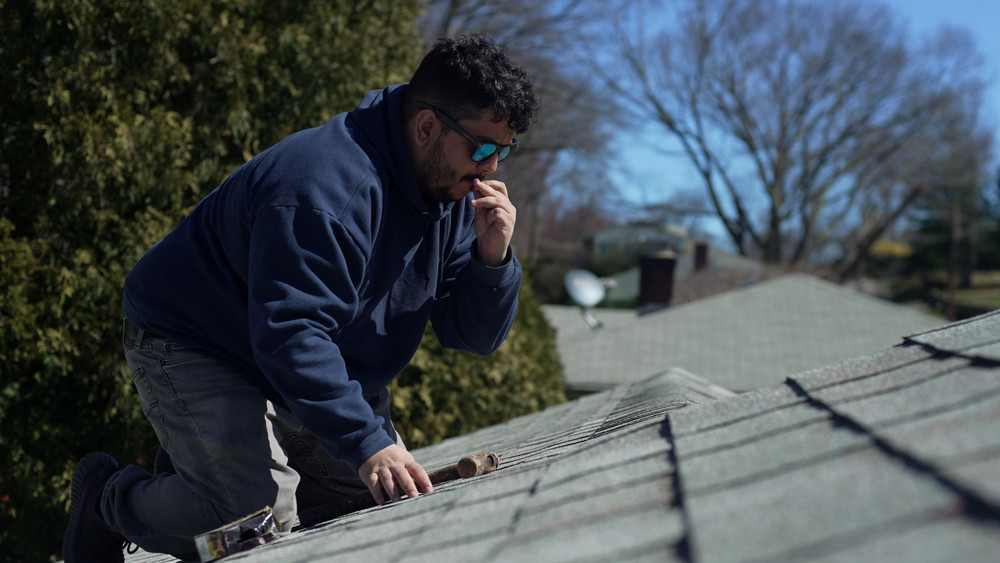
Among the various components that shield a household from the elements, the roof stands as the primary line of defense. However, because it remains mostly out of sight, many homeowners adopt an out of sight, out of mind mentality until a minor issue evolves into a significant crisis. Identifying the early signs of wear can save a property owner thousands of dollars in emergency repairs and prevent long-term damage to the interior of the house. Understanding when a roof is reaching the end of its functional life is the first step toward responsible homeownership.
The Warning Signs Above Your Head
Visual cues are frequently the first indicators that a roofing system is beginning to fail. While most people only think about their roof after a heavy storm, regular inspections from the ground can reveal missing, cracked, or curling shingles. These physical deformities often suggest that the material has reached its saturation point for heat and moisture exposure. If you notice an accumulation of granules in your gutters that look like coarse black sand, it is a clear sign that your shingles are shedding their protective coating.
When these exterior issues are neglected, they inevitably manifest as internal problems that are much harder to ignore. Water damage is the most frequent catalyst for professional intervention, as moisture finds the path of least resistance through compromised layers. Data supports this trend, as 33% of homeowners replace their roofs due to leaking, according to Ruby Home. Once water penetrates the thermal envelope, it can lead to mold growth and compromised insulation, making the replacement an urgent necessity rather than a planned improvement.
Comparing Modern Roofing Solutions
As homeowners move toward the replacement phase, they are increasingly looking beyond traditional asphalt shingles to find more durable alternatives. The market has shifted significantly in recent years as people prioritize longevity and energy efficiency over the lowest initial cost. While asphalt remains a common choice due to its affordability, many are turning to materials that can withstand harsher weather patterns and offer better fire resistance.
The versatility of modern materials has allowed certain options to dominate the landscape for both private homes and professional facilities. According to This Old House, metal roofing is the second-most popular material for both residential and commercial roofs. This rise in popularity is largely attributed to its impressive lifespan, which can often double or triple that of traditional materials. Metal systems are excellent at reflecting solar heat, which can lower cooling costs during the summer months.
The health of a roof is not only a matter of personal comfort but also a critical factor in the financial valuation of a property. During a real estate transaction, the roof is often the most scrutinized element of the entire structure. Professional inspectors look for signs of sagging, improper flashing, and ventilation issues that could lead to premature aging. For those looking to sell or buy, the timing of these evaluations is essential for ensuring the deal proceeds smoothly. A roof that is flagged for failure can stall a sale or lead to significant price renegotiations at the closing table.
Understanding the administrative side of home maintenance is just as important as the physical repairs. If you are in the process of buying or selling a home, you must be aware of how long your professional assessments remain valid for lenders and insurance companies. According to Lending Tree, a home inspection report is generally good for around 90 days. This three-month window is crucial because the condition of a property can change rapidly due to seasonal weather or sudden mechanical failures. If a roof fails shortly after this period, a new inspection may be required to secure financing or to prove that the home remains a safe investment for the mortgage provider.
Protecting Your Long-Term Investment
Recognizing the signs of residential roof failure requires a combination of regular observation and an understanding of industry standards. From the moment you spot granules in the gutter to the day you decide to upgrade to a more durable material like metal, staying informed ensures that your home remains a safe haven. By staying proactive and monitoring the age and condition of your roofing system, you can avoid the stress of emergency replacements.

