
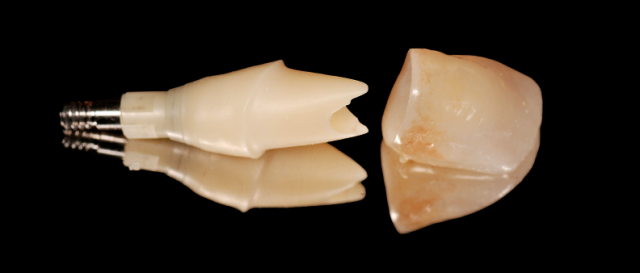
Dental implants have come a long way from being purely functional solutions to becoming an integral part of cosmetic dentistry. Today, patients don’t just want their teeth restored—they want them to look natural, feel comfortable, and integrate seamlessly with their smile. This shift has brought materials like zirconia into the spotlight, particularly in the form of the zirconia abutment.
The Aesthetic Challenge in Implant Dentistry
One of the lesser-discussed challenges in implant dentistry lies beneath the crown—the abutment. Traditionally made from titanium, abutments are strong and reliable, but they come with a limitation: their metallic color. In patients with thin or translucent gum tissue, this grey tone can subtly show through, affecting the overall appearance of the restoration.
As patient expectations rise, especially for anterior (front tooth) restorations, clinicians are increasingly looking for solutions that offer both function and visual harmony.
Enter Zirconia: More Than Just a White Material
Zirconia, a ceramic material known for its durability and tooth-like color, offers a compelling alternative. Unlike metal, zirconia blends naturally with surrounding teeth and soft tissue. This makes it particularly valuable in cases where aesthetics are critical.
But its appeal goes beyond color. Zirconia is also known for its biocompatibility, meaning it interacts well with the body’s tissues. This can contribute to healthier gum response and potentially better long-term outcomes in certain cases.
The Science Behind Soft Tissue Response
An interesting aspect of zirconia is how it interacts with peri-implant soft tissue. Some studies and clinical observations suggest that soft tissues may adhere differently—or even more favorably—to zirconia surfaces compared to titanium. This can result in improved gingival contour and stability, especially in visible areas of the mouth.
While the differences are subtle and case-dependent, they highlight an important point: material choice can influence not just the mechanical success of an implant, but also the biological and aesthetic outcome.
Strength vs. Aesthetics: A Practical Balance
Despite its advantages, zirconia is not a universal replacement for titanium. It has lower fracture toughness and tensile strength, which means it may not be the best choice in high-load areas such as molars. This is where modern design innovations come into play.
Many zirconia abutments today are paired with a titanium base. This hybrid approach reinforces the structure at its weakest point—the connection to the implant—while preserving the aesthetic benefits of zirconia above the gum line. It’s a practical compromise that reflects how implant dentistry continues to evolve.
When Material Choice Really Matters
The decision between zirconia and titanium often depends on specific clinical factors:
- Gum thickness: Thinner tissue benefits more from zirconia’s color
- Tooth location: Front teeth demand higher aesthetics
- Bite force: Back teeth may require stronger materials
- Implant positioning: Angulation and spacing can affect material suitability
Rather than viewing zirconia as a replacement, it’s more accurate to see it as a specialized tool—one that excels in the right context.
A Shift Toward Patient-Centric Dentistry
What’s driving the growing interest in zirconia abutments is not just innovation, but patient expectations. Modern dentistry is increasingly patient-centric, where outcomes are judged not only by clinical success but also by how natural the result looks and feels.
In that sense, zirconia represents more than a material—it reflects a broader shift in how dental care is approached. It bridges the gap between function and aesthetics, giving clinicians more flexibility to tailor treatments based on individual needs.
Final Thoughts
Zirconia abutments highlight an important evolution in implant dentistry: the move toward solutions that prioritize both biology and appearance. While they may not replace titanium in every scenario, their role in enhancing aesthetic outcomes—especially in visible areas—is hard to ignore.
As materials and techniques continue to improve, the focus will likely remain the same: delivering results that are not just durable, but indistinguishable from natural teeth.

