
Family immigration has played a profound role in shaping neighborhoods and cities across the United States. As families settle and build new lives, they contribute to the social and economic vitality of their communities. Navigating this process often requires support from an Immigration Lawyer, who can guide families through the complex immigration landscape. This support is critical in ensuring that immigrant families can thrive and fully participate in local life.
The influence of family immigration extends well beyond the economic sphere. Cultural traditions, community engagement, and new perspectives add value to society. As these families become integrated, the diversity they bring can foster innovation and strengthen communal bonds, creating a dynamic environment for everyone. At the same time, addressing language barriers is crucial for effective integration; a knowledgeable Spanish-speaking lawyer can bridge communication gaps and provide vital guidance for families who are new to the area.
Economic Contributions
Immigrant families are engines of economic growth in many regions. In metropolitan areas like Philadelphia, foreign-born households earn a median income that slightly surpasses that of native-born residents, according to recent studies. Increased household income among immigrant families supports local businesses, stimulates spending, and helps create jobs for others in the community. Not only do immigrants contribute as workers, but many also become entrepreneurs whose businesses provide vital services and employment.
The economic benefits of family immigration are seen in rising property values and expanded consumer markets. As families settle in local neighborhoods, they contribute to the tax base, funding essential services such as schools and infrastructure. Their participation helps create resilient economies capable of adapting to demographic and industry changes.
Cultural Enrichment
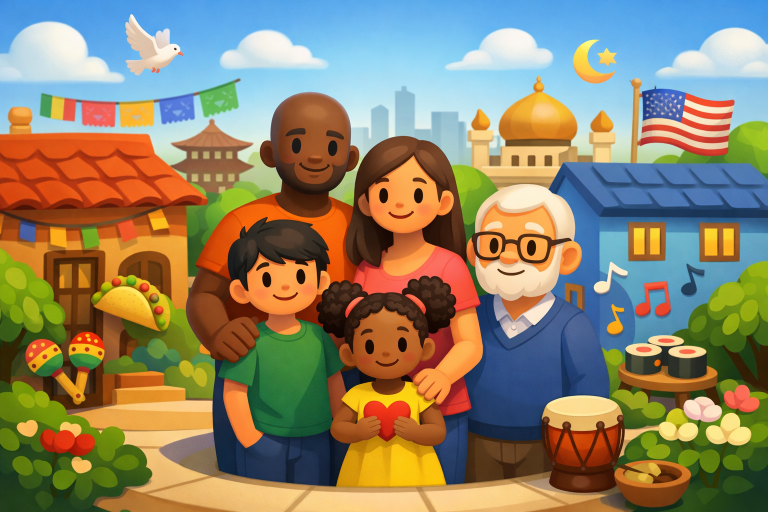
One of the most visible effects of family immigration is the cultural enrichment that comes with new customs, languages, and traditions. Local communities benefit from vibrant festivals, new culinary experiences, and artistic expressions introduced by immigrant families. These contributions foster multicultural understanding, breaking down barriers and encouraging cross-cultural collaboration.
Cultural diversity also impacts the educational system. Schools often become hubs of cultural exchange, benefiting both immigrant and non-immigrant students through exposure to a wider range of worldviews. Celebrations and community programs rooted in different cultural traditions can strengthen social ties and make communities more welcoming. For example, annual multicultural festivals have been shown to increase neighborhood unity and reduce prejudices, demonstrating the importance of cultural contributions in the community-wide context.
Social Cohesion
Family immigration promotes social cohesion by encouraging greater participation in community life. Immigrant families often take active roles in local schools, religious institutions, and civic organizations, working alongside long-term residents on projects that matter to everyone. Their involvement brings fresh perspectives and reinforces the importance of civic engagement for all members.
Volunteering and joining local associations can help immigrant families build relationships, foster trust, and feel a sense of belonging. This engagement benefits the community through increased volunteer hours, support for local causes, and renewed interest in public events. Research by Pew Charitable Trusts illustrates how immigrant participation in community initiatives supports positive development outcomes for entire neighborhoods.
Challenges Faced
Despite their many contributions, immigrant families often encounter significant obstacles when adjusting to a new country. Language differences are among the primary barriers, making it difficult to access essential services or fully participate in the labor market. Discrimination or negative stereotypes can compound feelings of isolation among newcomers.
Legal uncertainties also fuel anxiety. Stricter immigration enforcement may deter families from seeking help or engaging in everyday activities, as seen in places like Huntington Park, California. This fear impacts mental health and can reduce overall community participation, undermining both personal well-being and broader social cohesion. These challenges highlight a critical need for accessible support networks and specialized legal services for immigrant families.
Policy Implications
Immigration policies play a decisive role in shaping the experiences of immigrant families. Clear pathways to family reunification and citizenship can help maximize the benefits of family migration. Well-structured policies enable immigrants to become productive members of society more quickly, benefiting everyone.
Conversely, restrictive policies that prioritize enforcement over integration can have a chilling effect on local economies and social trust. Research indicates that areas with inclusive policies often see stronger economic growth and healthier, more cohesive communities. Policymakers must strike a balance between border control and strategies that promote integration, ensuring that family immigration remains a positive force for development.
Community Support
Supporting immigrant families means investing in services that address their unique needs. Language classes, workforce training, and accessible legal assistance are essential tools for helping newcomers adapt. Community organizations and local governments can play a pivotal role by facilitating cultural exchange opportunities, fostering communication, and building bridges between new arrivals and established residents.
Support networks benefit all community members, reinforcing shared values and promoting a sense of collective responsibility. When everyone has the chance to participate and contribute, communities become more inclusive and resilient, enhancing the quality of life for all residents.
Case Studies
Real-world examples highlight both the challenges and strengths of community responses to family immigration. In Sackets Harbor, New York, residents rallied to support a local family facing immigration detention. Through coordinated efforts, the community provided emotional and practical assistance, fostering unity and demonstrating the power of local solidarity. Such examples prove the positive difference communities can make when they choose to welcome and support immigrant families.
Conclusion
Family immigration has a far-reaching impact on local communities. Economically, immigrant families drive growth and create opportunities. Culturally, they add vibrancy and diversity, while socially, their engagement strengthens communal bonds. By supporting inclusive policies and community initiatives, localities can ensure that the benefits of family immigration are widely shared, building more dynamic, resilient, and thriving communities for generations to come.

