
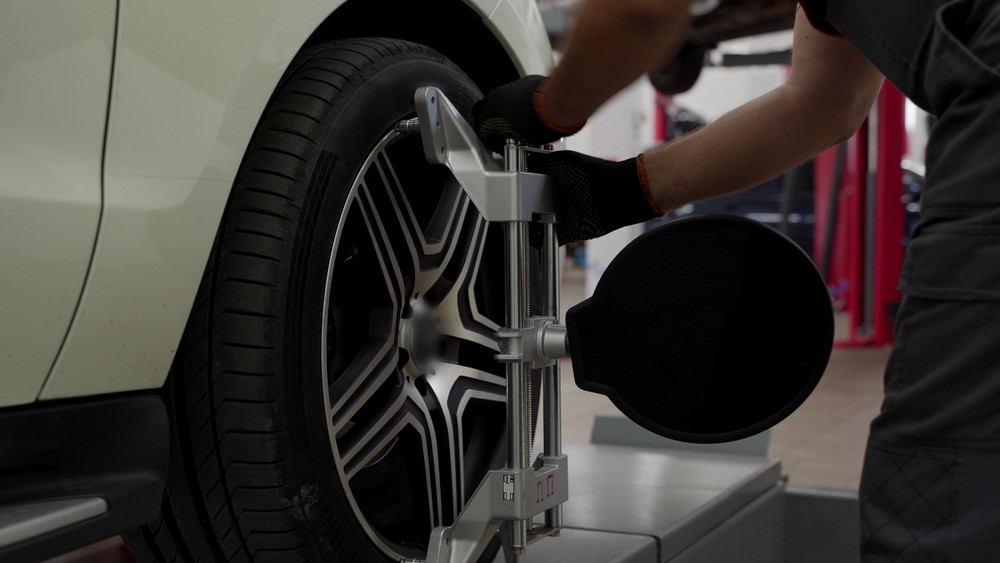
The automotive industry is evolving at a rapid pace, and today’s vehicles are more advanced than ever before. From sophisticated transmission systems to built-in driver assistance technologies, modern cars require a new level of expertise when it comes to maintenance and repair. As innovation accelerates, auto repair shops must adapt to meet the demands of increasingly complex vehicles.
Advanced Transmissions Are Driving Industry Growth
One of the most significant technological shifts in recent years involves vehicle transmissions. Traditional automatic and manual systems have been joined by continuously variable transmissions (CVTs), dual-clutch systems, and highly specialized electronically controlled gearboxes. These innovations improve fuel efficiency, enhance performance, and provide smoother driving experiences—but they also require advanced diagnostic tools and specialized training to repair properly.
The financial scale of this segment highlights its importance. According to Grand View Research, the global automotive transmission market size was valued at $168.50 billion in 2024. That valuation underscores how central transmission systems have become to the broader automotive economy. As manufacturers continue refining transmission technology, repair professionals must stay current with evolving service procedures, software updates, and component designs.
Transmission repairs today often involve computer diagnostics, sensor calibration, and firmware updates rather than purely mechanical adjustments. This shift reflects a larger industry transformation where technology and software expertise are just as essential as traditional wrench-and-tool skills.
ADAS Features Are Redefining Repair Standards
Modern vehicles are no longer just machines—they are integrated technology platforms. Advanced Driver Assistance Systems (ADAS) such as lane departure warnings, adaptive cruise control, automatic emergency braking, and blind-spot monitoring are now standard in most new models. These systems rely on cameras, radar sensors, and complex algorithms to function properly.
The widespread adoption of these features is striking. According to Automotive News, more than 90% of new vehicles now come equipped with some form of ADAS technology. This means that even routine services—like windshield replacement, bumper repair, or wheel alignment—may require recalibration of sensitive sensors and cameras.
Auto repair facilities must invest in specialized calibration equipment and technician training to handle ADAS-related services safely and accurately. Even minor misalignments can affect system performance, potentially compromising vehicle safety. As a result, repair shops are increasingly becoming technology centers where digital precision matters as much as mechanical skill.
Independent Shops Are Adapting to Compete
Despite the growing complexity of vehicles, independent repair facilities continue to play a dominant role in the aftermarket service landscape. According to Spectrio, 75% of aftermarket auto repair is performed by independent repair shops, while 25% is done at the dealership. This distribution highlights the trust drivers place in local service providers.
However, maintaining that trust in a high-tech era requires continuous adaptation. Independent shops must invest in updated scan tools, software subscriptions, and ongoing technician education. Many are forming partnerships with equipment manufacturers or participating in advanced certification programs to remain competitive with dealership service departments.
Consumers also benefit from this competition. Independent shops often provide personalized service, flexible scheduling, and cost-effective solutions. As long as these businesses continue embracing new technologies and expanding their capabilities, they are well-positioned to thrive in an increasingly digital automotive environment.
A Future Built on Technology and Expertise
The transformation of modern vehicles is reshaping every aspect of auto repair. Advanced transmissions, widespread ADAS integration, and evolving diagnostic systems are raising the bar for service providers across the industry.
As technology continues to progress, successful repair facilities will be those that combine technical innovation with skilled craftsmanship. By investing in tools, training, and customer education, auto repair professionals can confidently meet the demands of today’s high-tech vehicles—and tomorrow’s even smarter ones.

