
Table Of Contents
- Start With How the Truck Will Be Used
- Choose the Right Truck Size
- Compare Towing and Payload Ratings
- Calculate Fuel Costs Before Buying
- Look Beyond Mileage
- Inspect the Truck Thoroughly
- Estimate Total Ownership Cost
- Review Financing and Out-the-Door Pricing
- Use a Smart Test-Drive Process
- Build a Comparison List
- Common Buyer Questions
Texas truck buyers need more than a low price and a clean cab. From job sites around Houston and Dallas-Fort Worth to ranch roads in the Hill Country and long West Texas highway runs, the right pickup has to fit the way it will actually be used. Browsing a used truck inventory Texas can be a practical first step, but every truck should be evaluated for capability, condition, and the cost of keeping it on the road.
A half-ton pickup that works well for commuting in Austin and occasional home projects may not be the best choice for regularly towing a livestock trailer, equipment trailer, or boat. Comparing towing, payload, fuel use, maintenance history, and inspection results helps Texas buyers avoid paying for more truck than they need, or buying too little truck for the work ahead.
Start With How the Truck Will Be Used
Before comparing makes, trims, and model years, write down the truck’s most common jobs. Consider how many passengers ride regularly, what goes in the bed, how often you tow, whether most miles are city or highway miles, and whether four-wheel drive is truly necessary. Texas buyers who travel unpaved lease roads, muddy ranch entrances, or remote hunting property may value ground clearance and traction differently than drivers who mainly use Loop 610 or I-35.
A light-duty truck can be an excellent daily driver for occasional hauling. A heavy-duty model can make more sense for frequent work with equipment, horses, or large RV trailers. The goal is to match real needs, not simply choose the largest truck on the lot.
Choose the Right Truck Size
Compact and Midsize Trucks
Compact and midsize pickups are easier to park, often cost less to buy, and use less fuel than full-size trucks. They suit light trailers, weekend projects, smaller loads, and buyers who drive in crowded Texas cities. Their trade-offs may include shorter beds, tighter rear seating, and lower towing or payload limits.
Full-Size Trucks
Full-size trucks offer more cab room, bed configurations, engine choices, and broad capability. They are common choices for families, contractors, and recreational towing. However, larger dimensions can make parking harder, while fuel, tires, brakes, and repairs may cost more.
Heavy-Duty Trucks
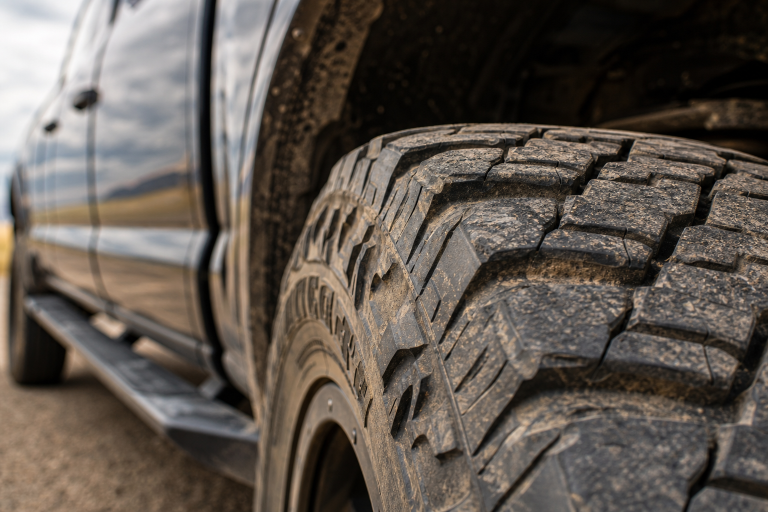
Heavy-duty pickups are built for demanding, repeated towing and hauling. They can be worthwhile for commercial work or large trailers, but their higher capacity comes with higher operating costs. Do not assume a three-quarter-ton or one-ton truck is automatically better if its size, ride quality, fuel use, and maintenance demands do not suit your routine.
Compare Towing and Payload Ratings
Towing capacity is not one universal number for every version of a truck. Engine, cab length, bed length, axle ratio, drivetrain, cooling equipment, hitch setup, and factory tow package can all affect the rating. Use the vehicle-specific information, owner’s manual, and door labels rather than relying on a general online estimate. Practical pickup truck buying guidance can also help buyers focus on everyday needs before getting distracted by maximum ratings.
Payload is equally important. It includes passengers, tools, bed cargo, accessories, and trailer tongue weight. A truck may have an impressive tow rating but run out of payload quickly when a crew cab is full, and a loaded trailer is attached. Check the payload label on the driver-side door jamb, then leave a reasonable safety margin.
Use this process when matching a truck to a trailer:
- Find the trailer’s loaded, not empty, weight.
- Add passengers, cargo, tools, and hitch weight.
- Confirm both towing and payload ratings.
- Inspect the hitch, trailer brakes, tires, and wiring.
- Avoid operating at the truck’s absolute limit on long Texas grades or in summer heat.
Calculate Fuel Costs Before Buying
Fuel economy should be based on your annual mileage, normal fuel prices, and how often the truck is loaded or towing. Divide yearly miles by expected miles per gallon, then multiply the result by fuel cost per gallon. A truck that is affordable at purchase can become expensive if it covers 20,000 Texas highway miles each year while returning poor fuel economy.
Gas trucks often have lower upfront and service costs. Diesel models may appeal to buyers who regularly tow heavy loads, while hybrids can reduce fuel consumption in certain driving patterns. Larger tires, lift kits, aggressive driving, extended idling, and frequent towing can all increase consumption beyond advertised figures.
Look Beyond Mileage
Mileage matters, but maintenance history often tells a clearer story. A higher-mileage truck with documented oil changes, fluid services, brake work, tire replacements, and cooling-system care may be a safer choice than a lower-mileage truck with no records. Ask for invoices, inspection reports, ownership history, and details about major repairs.
Also consider how the truck was used. Highway miles create different wear than constant stop-and-go driving, repeated idling, construction work, off-road use, or heavy towing. Very low mileage is not always a benefit if the truck sat unused long enough for batteries, tires, seals, fuel, or brake components to deteriorate.
Inspect the Truck Thoroughly
Check the exterior for mismatched paint, uneven panel gaps, rust, bed damage, cracked lights, windshield damage, and hitch wear. Underneath, look for fluid leaks, frame corrosion, bent parts, and signs of poor repairs. In Texas, sun exposure can also damage dashboards, seat materials, weather stripping, and exterior trim.
During a mechanical and interior check, test brakes, steering, suspension, transmission shifts, air conditioning, windows, cameras, displays, charging ports, and four-wheel drive if equipped. Listen for grinding, clunks, vibration, rattles, or delayed starts. A qualified independent mechanic should inspect any serious candidate before money changes hands.
Estimate Total Ownership Cost
The purchase price is only the starting point. Include sales tax, registration, insurance, fuel, routine service, tires, brakes, accessories, towing equipment, expected depreciation, and a reserve for unexpected repairs. Diesel emissions equipment, advanced electronics, specialty tires, and complex four-wheel-drive systems can raise ownership costs.
Looking at scheduled service, wear items, and maintenance frequency together is especially useful for Texas buyers who depend on a truck for work. Downtime can cost more than a repair bill when a vehicle misses a job, delays a delivery, or leaves equipment stranded.
Review Financing and Out-the-Door Pricing
Compare the advertised price with the out-the-door price and total loan cost. Review the interest rate, loan term, down payment, monthly payment, taxes, fees, and optional products. A lower payment can hide a longer loan and much higher interest expense. Get insurance estimates before deciding between trucks with different sizes, engines, or trim levels.
Use a Smart Test-Drive Process
- Start the truck cold if possible.
- Watch for warning lights, smoke, hard starting, and unusual engine noise.
- Drive on city streets, highway pavement, turns, and rough roads.
- Test acceleration, braking, shifting, steering, and suspension response.
- Listen for vibration under load and during hard braking.
- Review the mechanic’s report before making a final offer.
Build a Comparison List
Keep each contender organized with a simple side-by-side list that includes:
- Year, mileage, engine, and drivetrain
- Towing and payload ratings
- Fuel economy and insurance estimate
- Service records and inspection results
- Tire and brake condition
- Purchase price and estimated first-year repairs
- Expected resale value
Score each truck from one to five for capability, condition, ownership cost, and comfort. The highest overall score is not always the best choice if the truck exceeds your actual needs.
Common Buyer Questions
Is Service History More Important Than Mileage?
Neither should be ignored, but complete records can provide stronger evidence of responsible ownership than a low odometer reading alone.
Should You Choose Gas or Diesel?
Gas often works well for lighter-duty use and lower service costs. Diesel may suit frequent heavy towing, but fuel pricing, repair costs, emissions systems, and annual mileage can change the value equation.
Are Modified Trucks a Good Buy?
They can be, but verify installation quality, alignment, suspension condition, tire wear, receipts, and whether any modifications affect reliability or insurance coverage.
Make the Choice With Confidence
The best used pickup for Texas is the one that fits the job, budget, driving habits, and long-term plan. Compare towing and payload honestly, calculate fuel spending, verify maintenance, complete a professional inspection, and budget beyond the sale price. A dependable truck does not need to be the biggest or the cheapest. It needs to be the right match for real life.

