
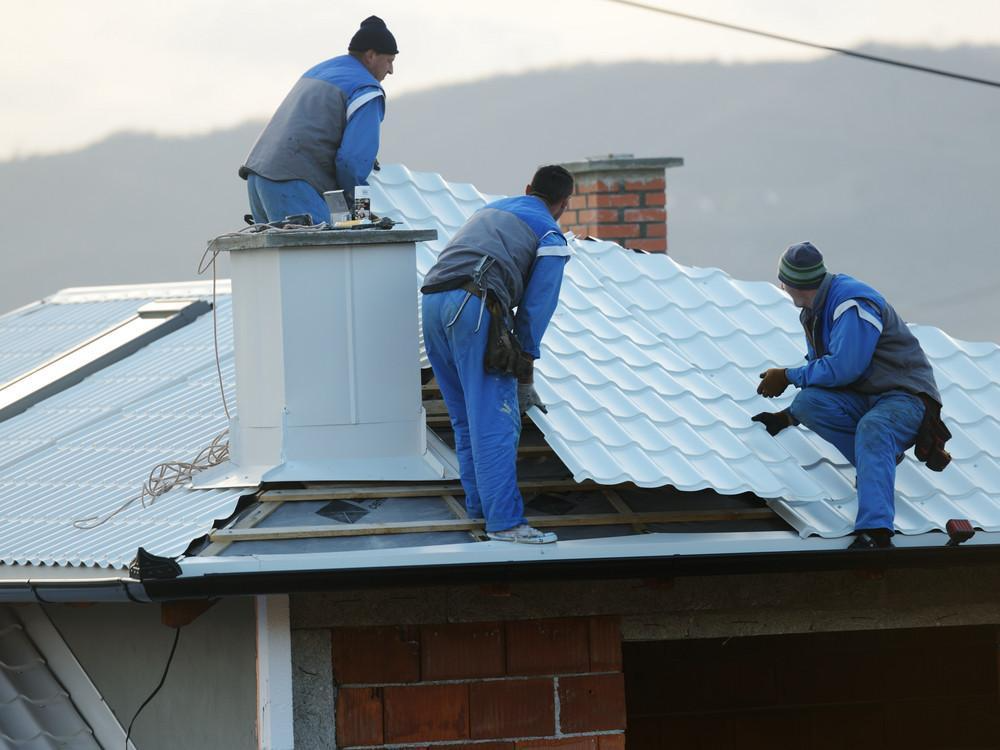
The world of residential roofing is vast and offers myriad insights into the lifespan of materials, industry size, and annual installations. For homeowners looking to invest in a new roof, understanding these facets can greatly impact their decision-making process. As the most crucial shield against the elements, a roof ensures that a home remains a safe haven for its inhabitants. Exploring the various aspects of residential roofing can provide clarity and guide homeowners toward making informed decisions. In this article, we will delve into the essential insights that shape the residential roofing industry.
The sheer number of roofing companies underscores the prominence of this industry within the United States. According to Roofer’s Guild, the nation is currently home to approximately 99,203 roofing companies. This multitude of roofing businesses offers homeowners a wealth of options when seeking professional roofing services for their home. Whether you are considering repairs, maintenance, or an entirely new installation, the plethora of companies available ensures competitive pricing and service quality. Armed with this knowledge, homeowners can approach roofing projects with confidence, knowing they have a wide selection of experts to choose from.
Lifespan of Residential Asphalt Shingles
One of the most popular roofing materials chosen by homeowners is asphalt shingles due to their affordability and durability. According to This Old House, these shingles generally offer a lifespan ranging from 15 to 30 years. This variance largely depends on factors such as weather conditions, installation quality, and regular maintenance. Homeowners often favor asphalt shingles for their ease of installation and wide range of color options, making them a versatile choice for any home style. Understanding the lifespan of asphalt shingles helps homeowners anticipate future roofing needs and plan for potential replacements or upgrades.
Environmental conditions play a critical role in determining the longevity of asphalt shingles on residential homes. Extreme weather events, such as hurricanes, snowstorms, and torrential rains, can significantly impact the integrity of shingles, reducing their expected lifespan. On the other hand, homes situated in regions with milder climates may see the maximum lifespan of up to 30 years or beyond. Regular maintenance, such as clearing debris and inspecting for damage, can also prolong shingle life. Homeowners can greatly benefit from understanding the impact of their environment on their roofing materials, thus extending the shingle’s durability.
Investing in asphalt shingles offers economic advantages beyond initial installation costs. These shingles provide a balance between cost-effectiveness and resilience, standing up well against the test of time on many homes. Homeowners who choose asphalt shingles may find themselves needing replacements or repairs less frequently compared to those who opt for other, less durable roofing materials. The key to maximizing the lifespan of these shingles lies in proper installation and choosing products from reputable manufacturers. As more homes adopt this popular roofing option, asphalt shingles remain a staple in the residential roofing sector.
The Size and Scope of the Roofing Industry
The roofing industry in the United States is a massive sector that supports thousands of businesses and homeowners alike. According to Roofer’s Guild, there are around 99,203 roofing companies spread across the nation, highlighting the industry’s size and its significant contribution to the economy. This vast network encompasses roofing contractors, material suppliers, and support services—all crucial to ensuring homes are protected and well-maintained. The industry’s size illustrates its importance in safeguarding homes and its role as a crucial employment source within the construction sector. As the demand for roofing services continues to grow, the industry is poised to expand further in the years to come.
Beyond the number of companies, the industry size is reflected in its economic impact and annual financial turnover. The need for constant innovation in roofing materials and practices also drives research and development, creating new opportunities for businesses to thrive. Homeowners continually seek out reliable and efficient roofing solutions, spurring demand across regions with varying climatic challenges. This consistent need for roofing services fuels economic growth, positioning the industry as a substantial pillar in the national economy. As a result, the roofing industry’s size emphasizes its crucial role in sustaining residential infrastructure across the United States.
An increase in environmental consciousness has also transformed the roofing landscape, with industry players striving to offer more sustainable solutions. Innovations in roofing materials, such as solar shingles and recycled products, reflect the industry’s response to sustainability demands from homeowners. Companies are increasingly adopting green practices to not only enhance their service offering but also appeal to environmentally conscious consumers. These advancements in roofing technologies and practices underscore the industry’s adaptability and its commitment to evolving alongside market needs. Consequently, the roofing industry not only contributes to economic growth but also ensures homes are environmentally sound.
Annual Installations and Market Trends
Every year, millions of roofs are installed across the United States, underscoring the vibrant nature of the residential roofing sector. According to Ruby Home, about 5 million new roofs are commissioned annually, highlighting an ever-present demand for roofing services. This trend indicates that homeowners are routinely upgrading their homes, increasing property value, and ensuring long-term protection against environmental elements. Whether it’s a first-time installation or a replacement, the scale of annual installations reflects the critical necessity of roofing within residential construction. Understanding these trends helps businesses and consumers make informed decisions regarding roofing choices and investments.
The consistent demand for new roofing also reflects changing homeowner preferences and emerging architectural trends. As new design aesthetics and homebuilding technologies develop, roofing products must evolve to meet modern demands. Homeowners are not only replacing roofs out of necessity but also to embrace newer designs, colors, and materials that enhance their homes’ curb appeal. This dynamic shift encourages manufacturers to innovate, ensuring their products align with contemporary home improvement projects. By anticipating these shifts in trends, the roofing industry remains agile, meeting the evolving desires of homeowners and contributing to the sector’s vitality.

