
Most people schedule yearly checkups for their health, their car, and their furnace, but the well pump often gets forgotten until the faucets run dry. For homes on private wells, that pump is the only thing standing between the household and its water supply. A single service visit each year can catch small issues early, keep water flowing reliably, and save you from the stress and expense of an emergency breakdown. Here’s why that annual appointment matters and what you can expect from it.
You’re in Charge of Your Own Water
Private wells are far more common than many people realize. According to the CDC, more than 15 million homes across the United States get their water from private household wells. Many are in rural areas, but plenty of suburban homes and vacation properties depend on wells as well.
Unlike homes connected to a city water system, well owners don’t have a utility company monitoring their equipment or testing their water. Public water systems are regulated and routinely checked, but private wells are generally the homeowner’s responsibility. That means keeping the pump, pressure tank, and water quality in good shape falls on you.
That responsibility doesn’t have to be overwhelming. Keeping a simple record of your well’s depth, pump installation date, past repairs, and water test results makes it easier to spot changes over time. Sharing that information with your service technician also helps them diagnose problems more quickly.
What Happens During a Yearly Service Visit
Regular professional attention is the best way to keep a well system running smoothly. Consumer Affairs recommends having a professional service your well pump once a year. An annual visit lets a trained technician evaluate the entire system rather than waiting for a problem to force a call.
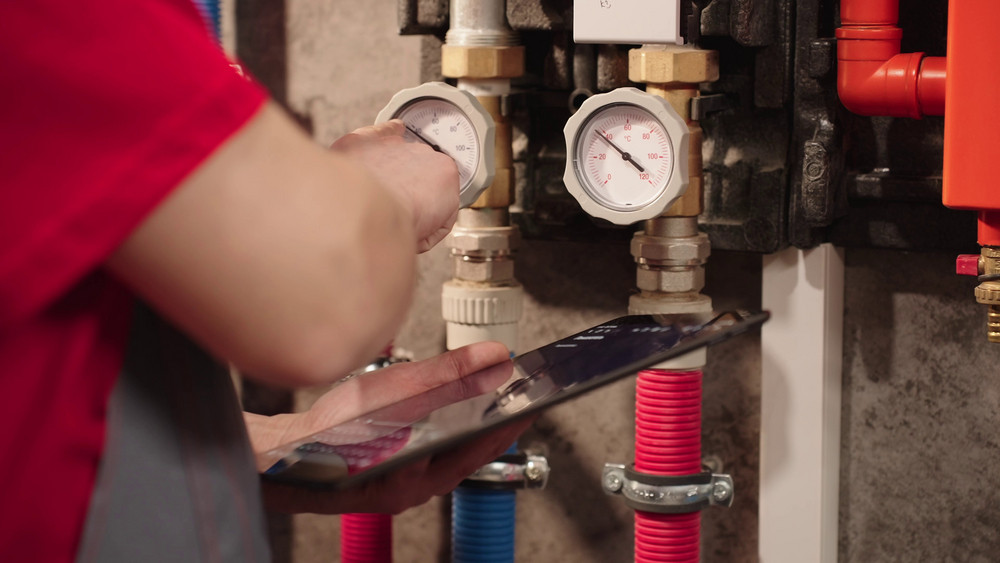
During a typical service appointment, the technician will measure water pressure and flow rate, inspect the pressure tank and check its air charge, and test the pressure switch to make sure the pump turns on and off correctly. They’ll also examine wiring and electrical components, look over the well cap for cracks or gaps that could let in insects or surface water, and listen for unusual sounds from the pump.
Many well professionals also recommend testing your water quality at the same time. Testing can detect bacteria, nitrates, and other contaminants that may not change the water’s taste or appearance. Scheduling both services together saves time and gives you a complete picture of your water system’s health.
How Regular Checkups Extend Pump Life
A well pump is a significant investment, and routine care helps you get the most from it. HomeAdvisor reports that a well pump typically lasts between 8 and 15 years when it receives regular maintenance. Skipping service can push a pump toward the low end of that range, or cause it to fail even sooner.
Many pump failures start with problems that are easy to fix when caught early. A waterlogged pressure tank can cause the pump to cycle on and off too often, wearing out the motor. A faulty pressure switch or loose wire can lead to overheating. Sediment buildup can strain internal parts. Annual service helps identify and correct these issues before they cause lasting damage.
Between visits, stay alert to warning signs such as sputtering faucets, low pressure, cloudy water, or a pump that seems to run constantly. Calling a professional promptly when something seems off can prevent a minor repair from becoming a full replacement.
A Small Habit With Big Rewards
Your well pump works quietly every day to supply your home with water. By taking responsibility for your private well, scheduling a professional checkup each year, and responding quickly to early warning signs, you can extend the life of your pump and enjoy safe, dependable water for years to come.

