
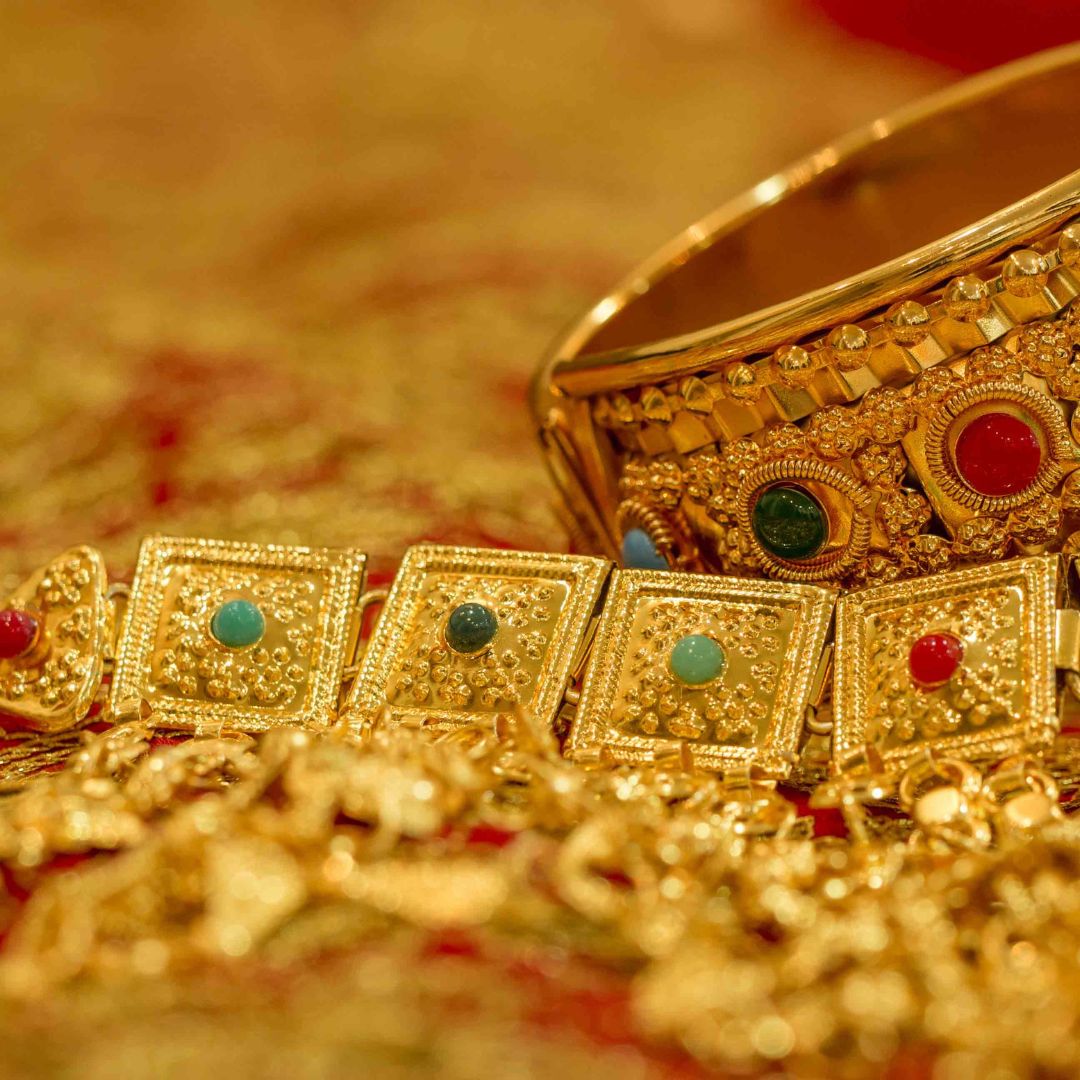
Dubai’s jewelry sector stands as one of the most vibrant and profitable industries in the Middle East, contributing billions of dirhams to the UAE’s economy annually. As the city positions itself as the global gold hub, jewelry businesses face mounting pressure to modernize their operations, streamline inventory management, and deliver exceptional customer experiences. In this comprehensive guide, we’ll explore how advanced ERP (Enterprise Resource Planning) systems are revolutionizing the way jewelry businesses operate in Dubai’s competitive marketplace.
The Evolution of Dubai’s Jewelry Business Landscape
Dubai has long been synonymous with luxury, opulence, and world-class jewelry. The city’s Gold Souk remains one of the most visited tourist destinations, attracting millions of visitors annually who come to purchase everything from traditional Arabic gold ornaments to contemporary diamond pieces. However, behind the glittering showcases lies a complex web of operations that requires sophisticated management solutions. Modern jewellery ERP software Dubai providers have emerged to address these intricate business needs, offering comprehensive platforms that integrate every aspect of jewelry retail and wholesale operations.
The jewelry industry in Dubai operates differently from conventional retail sectors. Businesses must manage intricate details like metal purity, gemstone certification, custom design workflows, repair services, and fluctuating gold rates that change multiple times daily. Traditional accounting software or generic retail management systems simply cannot accommodate these specialized requirements, making industry-specific solutions essential for sustainable growth.
Understanding the Unique Challenges of Jewelry Businesses in Dubai
Inventory Complexity and Metal Price Volatility
Unlike standard retail operations, jewelry stores deal with inventory whose value fluctuates constantly based on international precious metal markets. A piece valued at AED 5,000 in the morning might be worth AED 5,200 by afternoon due to gold rate changes. This volatility creates significant challenges for:
- Accurate Pricing: Businesses must update prices across all sales channels in real-time
- Profit Margin Management: Understanding true profitability becomes complex when base material costs change hourly
- Financial Reporting: Standard accounting practices don’t adequately capture the nuances of precious metal inventory valuation
- Purchase Planning: Timing purchases to coincide with favorable metal rates requires sophisticated forecasting
Advanced jewelry software Dubai solutions automatically sync with international gold and silver exchanges, updating inventory valuations in real-time and ensuring that pricing remains accurate regardless of market fluctuations.
Multi-Location Management and Franchise Operations
Many successful jewelry businesses in Dubai operate across multiple locations—from shops in various malls to standalone boutiques in different emirates. Managing inventory across these locations while preventing stock discrepancies and enabling seamless transfers requires robust technological infrastructure. Businesses need visibility into:
- Real-time stock levels across all branches
- Inter-branch transfer tracking
- Centralized purchasing while maintaining location-specific pricing
- Consolidated reporting that provides both branch-level and enterprise-wide insights
Regulatory Compliance and Hallmarking Requirements
Dubai’s jewelry sector operates under strict regulatory frameworks established by the Dubai Central Laboratory Department and Dubai Municipality. Businesses must maintain meticulous records regarding:
- Metal purity certifications
- Gemstone authenticity certificates
- Hallmarking documentation
- Import and export documentation
- VAT compliance for jewelry transactions
Non-compliance can result in severe penalties, making automated compliance features within ERP systems not just convenient but essential for risk mitigation.
Core Features That Define Modern Jewelry ERP Systems
Comprehensive Inventory Management
The backbone of any effective jewellery ERP software in Dubai is its inventory management capabilities. These systems offer:
Detailed Item Cataloging: Every piece of jewelry is cataloged with extensive attributes including metal type, purity, weight, gemstone details (cut, color, clarity, carat), design codes, and high-resolution images. This level of detail enables accurate tracking and makes customer service interactions more efficient.
Barcode and RFID Integration: Modern systems support both traditional barcode scanning and advanced RFID tagging, allowing for rapid inventory counts that would traditionally take days to complete. Some Dubai jewelry retailers have reduced their physical inventory verification time from two weeks to just two days using RFID-enabled ERP systems.
Stone and Component Tracking: For businesses that manufacture or customize jewelry, tracking individual gemstones and components throughout the production process is crucial. ERP systems maintain complete traceability from procurement through final assembly.
Old Gold and Exchange Management: A significant portion of jewelry sales in Dubai involves old gold exchanges. Specialized ERP systems calculate the exchange value based on current metal rates, purity testing results, and making charges, generating transparent documentation for both customers and regulatory authorities.
Dynamic Pricing and Rate Management
Jewelry ERP systems excel at managing the complex pricing structures inherent to the industry:
- Live Metal Rate Integration: Automatic updates from international exchanges ensure pricing accuracy
- Multi-Currency Support: Essential for Dubai’s international customer base
- Making Charge Calculations: Automated computation of labor and design charges based on item complexity
- Discount and Promotion Management: Flexible discount structures that can be applied at item, category, or transaction levels
- Customer-Specific Pricing: VIP and wholesale customer pricing tiers that automatically apply during transactions
Customer Relationship Management (CRM)
In Dubai’s competitive jewelry market, customer retention is as important as acquisition. Modern ERP systems incorporate sophisticated CRM features:
Purchase History Tracking: Complete visibility into every customer’s transaction history, preferences, and spending patterns enables personalized service and targeted marketing.
Special Occasion Reminders: Automated notifications for anniversaries, birthdays, and cultural celebrations help businesses reach out at opportune moments.
Loyalty Program Integration: Points-based or tier-based loyalty programs that reward repeat customers and encourage higher spending.
Repair and Service Tracking: Management of repair jobs, resizing requests, and cleaning services with automated status notifications keeps customers informed and satisfied.
Financial Management and Accounting
Jewelry-specific accounting addresses the unique financial aspects of the industry:
- Metal Account Management: Separate accounting for gold, silver, platinum, and other precious metals
- Consignment Tracking: Management of inventory held on consignment from suppliers
- VAT Calculations: Automated VAT computation for jewelry transactions according to UAE tax regulations
- Profit Analysis by Metal Type: Understanding profitability across different product categories
- Supplier Payment Management: Tracking payables with metal rate considerations
Manufacturing and Job Work Management
For businesses involved in jewelry manufacturing or customization:
Design Management: Digital storage and retrieval of jewelry designs with associated specifications
Bill of Materials (BOM): Detailed component lists for each design including metals, stones, and findings
Production Workflow Tracking: Monitoring jobs through various stages from casting to polishing to stone setting
Wastage Management: Accurate tracking of metal loss during manufacturing processes
Third-Party Job Work: Managing orders sent to external craftsmen with complete traceability
The Digital Transformation Journey for Dubai Jewelry Businesses
Assessment and Planning
Successful ERP implementation begins with thorough assessment of current processes. Businesses should:
- Document Existing Workflows: Map out how orders are processed, inventory is managed, and financial reporting is conducted
- Identify Pain Points: Recognize where current systems create bottlenecks or errors
- Define Success Metrics: Establish clear KPIs like inventory accuracy percentage, average billing time, and reporting turnaround time
- Stakeholder Engagement: Involve staff from sales, operations, and management in the selection process
Choosing the Right Solution Provider
Dubai hosts numerous ERP vendors, but jewelry businesses should evaluate providers based on:
- Industry Expertise: Demonstrated experience with jewelry-specific requirements
- Local Presence: On-ground support teams familiar with Dubai’s business environment
- Scalability: Ability to grow with your business from single-location to multi-branch operations
- Integration Capabilities: Compatibility with existing systems like e-commerce platforms and accounting software
- Regulatory Compliance: Built-in features for UAE-specific regulatory requirements
- Training and Support: Comprehensive training programs and responsive customer service
Implementation and Change Management
The transition to a new ERP system requires careful planning:
Data Migration: Historical inventory, customer, and transaction data must be accurately transferred to the new system. This process typically requires data cleansing to eliminate duplicates and correct inconsistencies.
Phased Rollout: Many businesses implement ERP systems in phases—starting with core inventory management, then adding financial modules, followed by CRM and analytics features. This approach reduces disruption and allows staff to adapt gradually.
Staff Training: Comprehensive training ensures that employees understand not just how to use the system but why certain processes are designed the way they are. Best practices include role-specific training sessions, hands-on practice with test data, and ongoing support during the initial weeks.
Testing Period: Running the new system parallel to existing processes for a defined period helps identify issues before complete transition.
Measuring ROI: The Tangible Benefits of Jewelry ERP Systems
Operational Efficiency Gains
Businesses that implement specialized ERP systems report significant efficiency improvements:
Reduced Transaction Time: Automated calculations and integrated systems reduce average billing time from 10-15 minutes to 3-5 minutes, enabling staff to serve more customers during peak periods.
Inventory Accuracy: Physical inventory discrepancies typically drop from 5-7% to less than 1%, representing substantial financial savings and reduced loss from unexplained shrinkage.
Reporting Time: Financial and operational reports that previously required days of manual compilation can be generated instantly with real-time data.
Staff Productivity: Automation of routine tasks allows staff to focus on customer service and sales rather than administrative work.
Financial Impact
Improved Cash Flow Management: Real-time visibility into receivables, payables, and inventory value enables better working capital management.
Reduced Carrying Costs: Optimized inventory levels based on sales velocity analysis reduce the capital tied up in slow-moving stock.
Enhanced Profitability: Accurate pricing that accounts for current metal rates, making charges, and target margins ensures healthy profitability on every transaction.
Fraud Prevention: System controls and audit trails significantly reduce opportunities for internal theft or accounting manipulation.
Customer Experience Enhancement
Faster Service: Reduced transaction times mean shorter wait periods, particularly important during busy shopping seasons.
Personalized Interactions: Access to complete customer history enables staff to provide tailored recommendations and acknowledge loyalty.
Transparency: Detailed invoices with itemized charges build customer trust and reduce disputes.
Omnichannel Experience: Integration between physical stores, e-commerce platforms, and mobile apps creates seamless shopping experiences.
Future Trends: What’s Next for Jewelry Technology in Dubai
Artificial Intelligence and Predictive Analytics
Next-generation ERP systems are incorporating AI capabilities that:
- Predict inventory requirements based on historical sales patterns and upcoming events
- Suggest optimal pricing strategies to maximize margins while remaining competitive
- Identify customers likely to make purchases based on behavioral patterns
- Automate routine customer service inquiries through chatbots
Blockchain for Authenticity and Traceability
Blockchain technology is emerging as a solution for tracking precious metals and gemstones from mine to market, providing customers with verifiable proof of ethical sourcing and authenticity.
Augmented Reality for Virtual Try-Ons
Integration between ERP systems and AR applications allows customers to visualize jewelry pieces virtually, reducing return rates and enhancing online shopping experiences.
IoT-Enabled Smart Showcases
Internet-connected display cases that track which pieces customers interact with most, providing valuable insights for merchandising and inventory planning.
Conclusion: Embracing Technology for Competitive Advantage
Dubai’s jewelry industry stands at an inflection point. As customer expectations evolve and competition intensifies, businesses that leverage modern technology gain significant advantages. Comprehensive ERP systems have evolved from nice-to-have luxuries to essential infrastructure for any jewelry business serious about growth and sustainability.
The investment in specialized jewelry management software delivers returns that extend far beyond immediate operational efficiencies. These systems provide the foundation for data-driven decision-making, enable superior customer experiences, and position businesses to capitalize on emerging opportunities in Dubai’s dynamic marketplace.
For jewelry retailers, wholesalers, and manufacturers in Dubai, the question is no longer whether to implement an ERP system, but rather how quickly they can make this transition to remain competitive in an increasingly digital marketplace.
Frequently Asked Questions (FAQs)
Q1: How long does it typically take to implement a jewelry ERP system in Dubai?
Implementation timelines vary based on business size and complexity, but most jewelry businesses can expect a complete rollout within 2-4 months. This includes data migration, staff training, and system configuration. Smaller single-location stores may be operational in as little as 3-4 weeks, while large multi-branch operations with complex manufacturing processes might require 6 months for full implementation.
Q2: Can jewelry ERP software integrate with existing e-commerce websites?
Yes, modern jewelry ERP systems offer robust API integrations with popular e-commerce platforms like Shopify, WooCommerce, and Magento. This enables real-time inventory synchronization, automatic order processing, and unified customer data management across physical and digital channels. The integration ensures that online customers see accurate availability and pricing while orders are automatically reflected in the ERP system.
Q3: What is the typical cost range for jewelry ERP software in Dubai?
Pricing varies significantly based on features, number of users, and deployment model (cloud vs. on-premise). Small businesses might find entry-level solutions starting from AED 10,000-15,000 annually, while comprehensive enterprise solutions for larger operations can range from AED 50,000-200,000+ annually. Most providers offer modular pricing, allowing businesses to pay only for features they need and scale as they grow.
Q4: How does jewelry ERP software handle the fluctuating gold rates in Dubai?
Specialized jewelry ERP systems connect to international gold and silver exchange APIs, updating metal rates automatically at intervals you define (real-time, hourly, or custom schedules). The system then recalculates inventory valuations and suggested retail prices based on configured margin formulas. Many systems maintain rate history, allowing businesses to analyze how metal price volatility impacts profitability over time.
Q5: Is cloud-based or on-premise jewelry ERP software better for Dubai businesses?
Cloud-based solutions are increasingly popular among Dubai jewelry businesses due to lower upfront costs, automatic updates, remote accessibility, and reduced IT infrastructure requirements. However, businesses with specific security concerns, poor internet connectivity at certain locations, or unique customization needs might prefer on-premise deployments. Many providers now offer hybrid models that combine the benefits of both approaches, hosting sensitive data on-premise while leveraging cloud infrastructure for analytics and customer-facing applications.

