
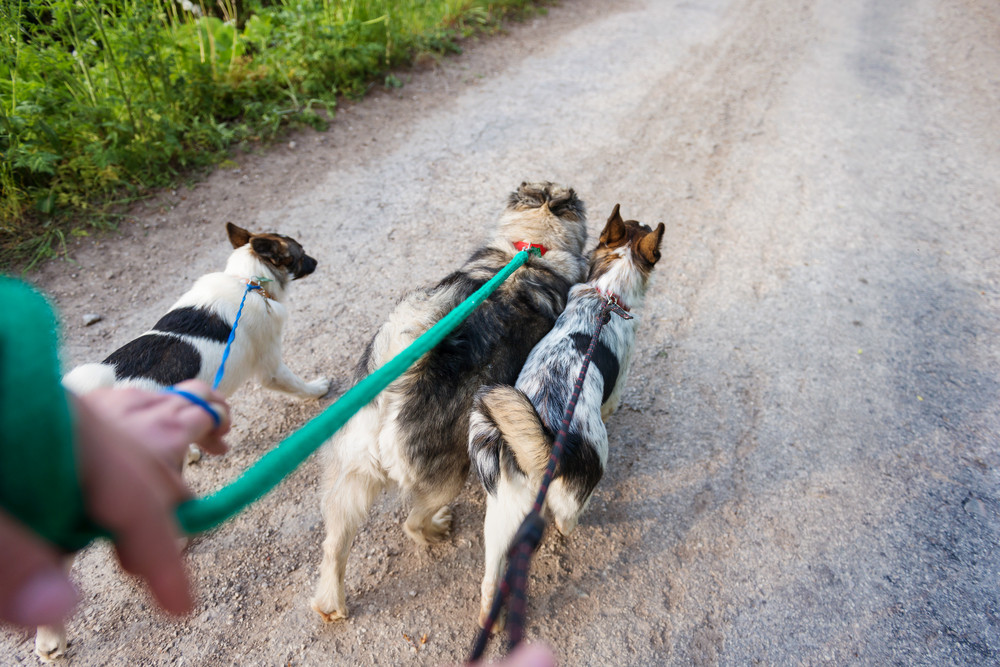
Responsible dog ownership today goes far beyond simply providing food, water, and shelter. Dogs are central members of households, and owners are expected to understand behavior, prioritize safety, and act considerately toward others. Owning a dog responsibly involves balancing affection with structure, providing guidance without being harsh, and taking accountability for the dog’s impact on the home and community. These decisions directly influence the dog’s behavior, the safety of others, and the quality of life for both pet and owner.
Every choice an owner makes, from the dog they adopt to how they supervise daily interactions, has consequences. Responsible ownership is not limited to the home; it extends to neighbors, visitors, and public spaces. Owners who take this responsibility seriously contribute to safer households and stronger, more supportive communities.
Understanding the Risk of Dog Bite Injuries
Dog bite incidents are more common than many people realize, making awareness an essential part of responsible ownership. According to the American Veterinary Medical Association, more than 4.5 million Americans are bitten by dogs each year. This statistic highlights how widespread dog-related injuries are across the country.
Many bites occur in familiar environments, such as homes or neighborhoods. Stress, fear, poor handling, or lack of supervision can trigger aggressive responses. Even dogs that are generally calm can react unpredictably if they feel threatened or overstimulated. Owners who understand these risks can take proactive steps to prevent injuries, such as monitoring interactions with children and visitors, identifying warning signs, and managing situations that could escalate.
Preventing dog bites also involves educating everyone in the household about safe interactions with dogs. Teaching children to respect a dog’s space, avoiding sudden movements, and supervising play are part of reducing the likelihood of injury. When owners remain mindful, they help create a safer environment for both people and pets.
The Role of Training in Responsible Ownership
Training is a cornerstone of responsible dog ownership. According to Dogster, 73 percent of dog owners use some form of training method. Training is more than teaching commands; it is a system of communication that helps dogs understand expectations, navigate new situations, and interact appropriately with people and other animals.
Well-trained dogs are generally more confident, less anxious, and easier to manage in various environments. Basic obedience, socialization, and consistent reinforcement reduce behavioral problems, making dogs safer and more predictable. Training also strengthens the bond between dog and owner, fostering trust and cooperation that benefits both.
Responsible owners approach training as an ongoing process rather than a one-time effort. Dogs continue to learn throughout their lives, and consistent reinforcement maintains positive behaviors. Owners who invest time in training gain insight into their dog’s personality and needs, allowing them to address issues early and prevent undesirable habits.
Recognizing Breed Differences and Needs
Responsible dog ownership also requires understanding the diversity among dog breeds. According to Reader’s Digest, there are over 350 dog breeds worldwide, each with distinct traits, temperaments, and exercise requirements. These differences influence how dogs respond to their environment, interact with people, and process stress.
Some breeds have high energy levels and need frequent physical activity, while others thrive with mental stimulation or calmer routines. Mismatched expectations can create stress for both dog and owner, leading to behavioral challenges such as anxiety or aggression. Recognizing breed tendencies allows owners to tailor care, exercise, and training approaches that align with the dog’s strengths and needs.
Beyond breed-specific traits, individual personalities vary even within the same breed. Responsible owners observe their dog’s behavior, adapt routines, and provide outlets for energy and mental engagement. Understanding and respecting both breed tendencies and individual quirks fosters happier, healthier, and more manageable dogs.
Responsible dog ownership today requires awareness, education, and accountability. Understanding dog bite risks, committing to consistent training, and respecting breed differences all create safe, supportive, and healthy environments for both dogs and people. Owners who take these responsibilities seriously protect others and improve the quality of life for their pets. Thoughtful, informed, and proactive care ensures dogs thrive as valued family members while communities benefit from safer interactions and stronger relationships between people and their pets.

