
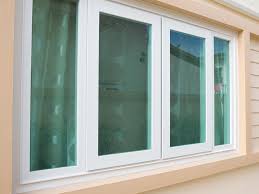
Windows are more than just openings for light and ventilation — they are crucial architectural features that define a building’s comfort, efficiency, and style. Whether you’re planning a new construction project or renovating an existing structure, choosing the right window frames can significantly influence the performance and appearance of your property. For high-quality and reliable options, many architects and builders explore window frames types that match their design and functional needs.
In this guide, we’ll walk through everything you need to know about selecting the best window frames — from material and design considerations to energy efficiency and long-term maintenance.
Understanding the Role of Window Frames
A window frame does more than just hold glass in place. It affects:
Energy performance: The frame’s insulation properties impact your heating and cooling efficiency.
Durability: The material determines how well the window withstands weather, corrosion, and wear.
Aesthetics: Frames play a vital role in defining a building’s architectural character.
Maintenance requirements: Some materials need regular care, while others are nearly maintenance-free.
In commercial and residential projects alike, selecting the ideal window frame means balancing durability, aesthetics, and cost while ensuring compliance with building standards.
Common Materials Used for Window Frames
1. Aluminum Window Frames
Aluminum is one of the most popular materials for modern window frames, especially in commercial and industrial buildings. It is lightweight, strong, and offers sleek, modern aesthetics. Aluminum frames are ideal for large openings because of their structural integrity and slim profiles.
Advantages:
High strength-to-weight ratio
Corrosion-resistant when treated or powder-coated
Long lifespan with minimal maintenance
Recyclable and sustainable
Compatible with curtain wall systems
Considerations:
Aluminum is a good conductor of heat, which means it can transfer warmth or cold more easily. To combat this, many premium aluminum systems incorporate thermal breaks — insulating materials that reduce heat transfer and improve energy efficiency.
2. uPVC (Unplasticized Polyvinyl Chloride) Frames
uPVC is a popular choice for residential buildings due to its affordability and good insulation properties. It is non-corrosive, resistant to moisture, and available in many colors and finishes.
Advantages:
Excellent insulation
Cost-effective and low-maintenance
Resistant to rot and corrosion
Long lifespan
Considerations:
While durable, uPVC frames may not be as strong as aluminum, especially for large or heavy glazing panels. They also offer fewer color and finish customization options compared to metal frames.
3. Wood Window Frames
Wood has been used in window construction for centuries and remains a favorite for traditional or luxury buildings. It offers excellent insulation and a warm, natural look.
Advantages:
Great thermal insulation
Natural aesthetic appeal
Can be painted or stained for customization
Considerations:
Wood requires regular maintenance to protect it from moisture, termites, and decay. In humid or coastal areas, untreated wood may deteriorate faster than aluminum or uPVC.
4. Fiberglass Frames
Fiberglass frames combine strength with exceptional energy efficiency. They are dimensionally stable — meaning they don’t warp or expand much with temperature changes — and can mimic the appearance of wood.
Advantages:
Very strong and durable
Excellent thermal performance
Low maintenance
Considerations:
Fiberglass frames are usually more expensive than uPVC or aluminum, and color choices may be limited depending on the manufacturer.
Factors to Consider When Choosing Window Frames
Selecting the right window frame involves evaluating several factors to ensure the perfect balance between function, style, and cost.
1. Building Type and Purpose
Commercial buildings often require large glazing areas, demanding frames with superior strength — such as aluminum or steel. In contrast, residential projects may prioritize aesthetics and insulation, making uPVC or wood more suitable.
2. Climate and Environment
The local climate significantly impacts the ideal choice of frame. For example:
In hot and humid areas like the U.S. South, aluminum frames with thermal breaks perform well.
In cold regions, insulated materials like fiberglass or uPVC provide better energy retention.
In coastal environments, corrosion resistance becomes a key priority, making powder-coated aluminum a smart option.
3. Energy Efficiency
Energy efficiency isn’t just an environmental concern — it directly affects operational costs. Modern window systems use insulated frames, double or triple glazing, and low-emissivity (Low-E) coatings to reduce heat transfer. Aluminum frames with thermal breaks, for instance, help maintain indoor comfort while lowering energy consumption.
4. Maintenance Requirements
Each material has different upkeep needs:
Aluminum: Occasional cleaning and inspection.
uPVC: Virtually maintenance-free.
Wood: Requires painting or sealing every few years.
Fiberglass: Low maintenance with long lifespan.
5. Aesthetic Design
Architectural consistency is vital in building design. Sleek aluminum frames complement modern structures, while wood suits classic or rustic styles. Many suppliers, such as APRO, offer multiple frame finishes and colors to harmonize with your project’s design language.
6. Budget
Your budget will naturally influence material selection. While aluminum and fiberglass tend to have higher upfront costs, they offer long-term value through durability and minimal maintenance. uPVC and wood may be more affordable initially but could incur higher upkeep costs over time.
Energy Performance and Thermal Break Technology
Modern window systems have evolved far beyond simple glass panels. Aluminum frames, in particular, have advanced through innovations like thermal break technology. A thermal break is a non-metal barrier placed between the inner and outer aluminum sections of the frame. This barrier prevents heat from passing through, making aluminum windows as energy-efficient as uPVC while retaining their strength and aesthetics.
By choosing thermally broken aluminum frames, you achieve:
Reduced heat transfer
Improved indoor comfort
Lower energy bills
Better condensation control
This technology is especially beneficial in commercial buildings that rely heavily on glass façades or curtain wall systems.
Sound Insulation and Comfort
Sound insulation is another critical factor, especially for buildings near busy roads or industrial areas. The window frame material and the type of glazing both affect how much sound enters your space.
Aluminum frames with double-glazed panels significantly reduce external noise.
uPVC also performs well in sound reduction, especially when paired with laminated glass.
Choosing the right frame and glazing combination ensures not only energy efficiency but also peace and quiet indoors.
Sustainability and Environmental Impact
Sustainability is becoming increasingly important in modern architecture. Many construction firms prefer materials that can be recycled and reused efficiently. Aluminum stands out as one of the most eco-friendly options — it is 100% recyclable without losing quality.
Additionally, energy-efficient window systems reduce a building’s carbon footprint by lowering heating and cooling demands. Choosing environmentally responsible manufacturers who follow green production practices contributes positively to both your project’s performance and global sustainability goals.
Customization and Modern Design Trends
Today’s architectural designs emphasize clean lines, large glass areas, and minimalistic profiles. Aluminum frames allow for:
Slim designs with maximum visibility
Custom colors and anodized finishes
Integration with curtain walls, partitions, and sliding doors
Many high-end manufacturers provide modular systems, allowing architects to customize shapes, colors, and configurations. This flexibility ensures that each project receives a window system perfectly aligned with its design vision.
Installation and Quality Assurance
Proper installation is just as important as selecting the right frame. Even the best materials can fail if installed incorrectly. Always work with professional installers familiar with the manufacturer’s guidelines and local building codes.
Quality assurance should include:
Verification of airtight seals
Proper drainage systems
Secure anchoring to prevent frame movement
Post-installation inspection for alignment and function
For commercial or industrial projects, consider working with experienced B2B suppliers who offer technical support, project design assistance, and after-sales service — like those available through APRO.
Cost vs. Long-Term Value
When evaluating cost, consider not just the purchase price but also the total life cycle cost. Aluminum frames, while more expensive upfront, offer decades of performance with minimal upkeep. Meanwhile, wooden frames might require refinishing, and uPVC could eventually discolor under UV exposure.
Therefore, long-term savings in maintenance, energy, and durability often make premium materials more cost-effective in the long run.
Final Thoughts
Choosing the right window frame for your building is a crucial decision that affects everything from aesthetics and comfort to energy efficiency and cost savings. Whether you’re designing a sleek commercial complex or renovating a classic home, understanding the various materials and their benefits will guide you toward the best choice.
For architects, contractors, and developers seeking high-quality solutions, aprodoor.comoffers a range of aluminum window systems designed for performance, durability, and elegance. With the right frame and professional guidance, you can enhance your building’s appeal and functionality for years to come.

