
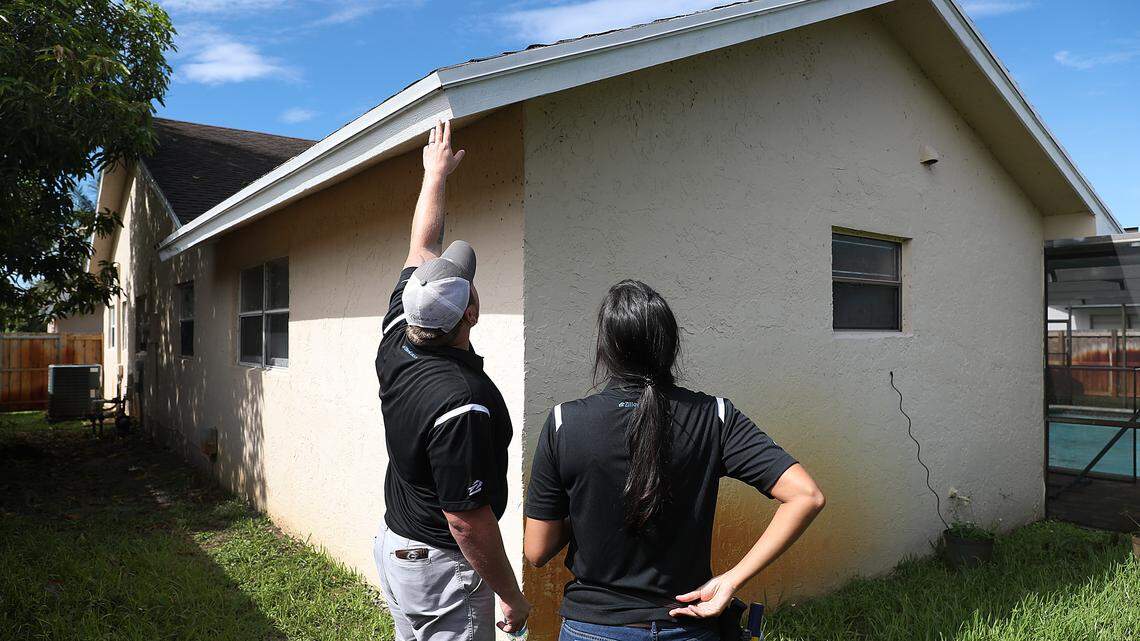
Most exterior issues do not begin with a dramatic failure. They start small: a shingle out of place, a clogged gutter, a soft patch of siding, or a stain that seems easy to ignore. The trouble is that minor warning signs on the outside of a home often lead to bigger problems inside it.
For homeowners, the real advantage is not just reacting quickly when damage appears. It is learning how to recognize the patterns early, prioritize the right fixes, and maintain the parts of the home that quietly do the most protective work year after year.
Why Exterior Problems Are Easy to Miss
A home’s exterior is designed to take abuse. Sun, wind, rain, falling debris, changing temperatures, and seasonal moisture all wear down materials over time. Because the process is gradual, many homeowners adjust to the changes without noticing them.
That is especially true with roofing, gutters, and siding. These systems work together, but they rarely fail all at once. A small roofing issue can let in moisture. That moisture can affect fascia boards, siding edges, insulation, or even interior paint. By the time a leak becomes obvious indoors, the original cause may have existed for months.
The good news is that most major repair bills are preceded by visible clues. The key is knowing where to look and what those clues usually mean.
The Most Common Warning Signs Around the Home
A careful exterior check does not need to be complicated. In many cases, homeowners can identify areas of concern just by walking the perimeter of the home and observing changes after heavy rain or storms.
Here are some of the most common signs that deserve attention:
- Missing, curling, or cracked shingles
- Granules collecting near downspouts
- Sagging or detached gutters
- Water marks on soffits or exterior walls
- Peeling paint near trim or fascia
- Soft, warped, or loose siding panels
- Dark streaks or patches on the roof
- Damp spots in the attic or ceiling stains indoors
- Rising energy bills without a clear reason
Not every symptom points to a major failure, but each one suggests that some part of the exterior system is no longer performing at its best.
How Roofing, Gutters, and Siding Affect Each Other
Homeowners often think of these systems separately, but they are closely connected. When one is compromised, the others often absorb the consequences.
Roofing
The roof is the home’s first line of defense. It sheds water, helps regulate temperature, and protects the structure below. When roofing materials wear down, even a small vulnerability can allow moisture to enter hidden areas.
Gutters
Gutters guide water away from the roofline, siding, and foundation. If they clog or pull away from the house, water may overflow into places it was never meant to go. That can stain siding, rot wood, and contribute to erosion around the home.
Siding and Exterior Finishes
Siding helps protect wall systems from moisture and weather exposure while also shaping curb appeal. If siding is cracked, separated, or improperly sealed, water intrusion becomes more likely, especially after repeated rainfall or wind-driven storms.
This is why a smart maintenance plan looks at the exterior as a system rather than a collection of unrelated parts. Homeowners who want a clearer sense of how roofing and exterior components work together often review service-based resources like idealroofingandexteriors.com to understand the kinds of issues that tend to show up across multiple parts of a property.
A Simple Seasonal Inspection Routine
One of the best ways to avoid expensive surprises is to inspect the home at consistent intervals. Seasonal check-ins help homeowners catch changes before they become structural problems.
Spring
Spring is the right time to look for winter damage. Check for loosened shingles, dented flashing, gutter debris, and areas where water may have pooled during colder months. This is also a good time to inspect siding for cracks or separation caused by expansion and contraction.
Summer
Summer makes it easier to notice heat-related issues. Watch for attic discomfort, unusually high cooling costs, and any signs that ventilation may be lacking. Inspect paint, caulk lines, and sun-exposed areas that may be drying out faster than expected.
Fall
Fall is essential for gutter maintenance. Leaves, seeds, and twigs can block proper drainage quickly. Homeowners should also inspect roof edges, valleys, and downspouts before colder weather and heavier seasonal rain arrive.
After Storms
Storm checks should be non-negotiable. Even when damage does not look severe from the ground, wind and debris can compromise materials in ways that worsen over time. Fast follow-up matters because delayed repairs often increase both cost and scope.
When a Small Repair Is Enough and When It Is Not
One of the hardest decisions for homeowners is knowing whether a problem needs a quick repair or a broader evaluation. The answer usually depends on age, pattern, and spread.
A single loose shingle after a wind event may be a straightforward repair. A cluster of recurring issues, however, suggests a deeper problem. The same applies to gutters and siding. One detached section may be isolated. Repeated overflow, widespread staining, or multiple soft spots may indicate a more systemic issue.
A practical way to think about it is this:
- Is the issue isolated or repeated?
- Is it cosmetic or performance-related?
- Has it appeared before in the same area?
- Could water be traveling behind the visible damage?
If the answer points toward repeated moisture exposure or multi-area wear, the smartest move is to treat the issue as part of a larger exterior assessment, not just a patch job.
Why Preventive Maintenance Usually Costs Less Than Delay
Homeowners often postpone exterior work because the issue does not seem urgent. That is understandable, especially when the home still looks mostly fine from the street. But water, heat, and structural wear rarely stay contained.
A neglected gutter problem can contribute to fascia damage. A roof issue can affect insulation and interior comfort. A small siding opening can allow moisture to settle into materials that are expensive to replace once deterioration spreads.
Preventive maintenance does more than reduce repair costs. It also helps homeowners preserve energy efficiency, avoid emergency scheduling, protect curb appeal, and extend the useful life of exterior materials. In many cases, the most affordable project is the one handled before visible damage becomes widespread.
Building a Smarter Long-Term Exterior Plan
The best home maintenance strategy is not constant worry. It is a repeatable plan. Homeowners do not need to inspect every inch of the property every week. They just need a routine that keeps major systems from being ignored.
A smart long-term plan includes seasonal visual checks, prompt attention after storms, cleaning and drainage maintenance, and periodic professional evaluation when signs of wear begin to cluster. Over time, this approach makes repair decisions more confident and less reactive.
A well-maintained exterior protects more than materials. It protects comfort, budget, and peace of mind. When homeowners learn to spot early warning signs and respond before damage spreads, they put themselves in a far better position to keep the home strong, efficient, and ready for whatever the seasons bring.

