
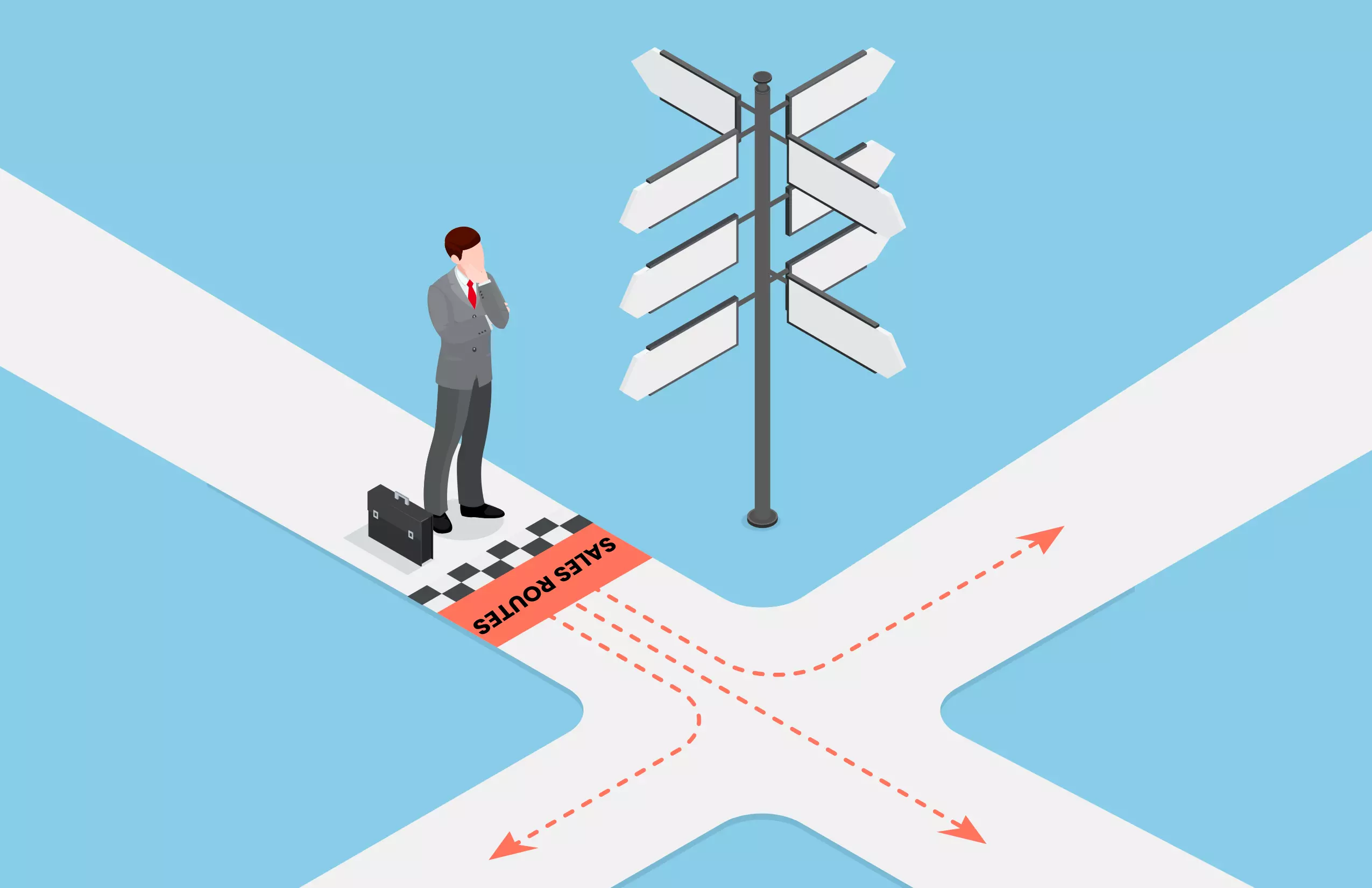
Beat planning is expected to keep field execution predictable in India. When a territory is covered with a repeatable plan, outlets are served on time, orders are captured faster, and collections are followed up. Meanwhile, when a beat plan is missed, travel increases and gaps are created.
What beat planning and PJP mean on the ground
A beat plan is usually defined as a fixed list of outlets to be visited on specific days. In contrast, PJP (Permanent Journey Planning) is treated as a repeatable calendar that maintains visit frequency, objectives, and coverage across weeks. It has been described as a regular, pre-planned schedule that is maintained to optimise sales and service coverage across customer outlets.
What should be planned first: outlets, routes, or objectives? In practice, plans are built backwards from outcomes—availability, prescriptions, distribution width, and cash discipline.
Why a PJP framework is being prioritised in India now
Selling time is being squeezed. In 2024, only about 30% of time was reported as being spent actively selling, while the rest was consumed by admin, data entry, and internal work. As a result, sales route planning is being used to protect field hours.
Operational gains have also been associated with route optimisation. Improvements of around 20%–30% in route efficiency have been reported when optimisation is implemented. Consequently, routes are being sequenced more scientifically.
For pharma teams, scale is rising. India’s pharma market has been projected at about INR 11.1 trillion by FY30, and exports were reported around INR 2.1 trillion (10M FY25).
A practical 7-step PJP framework for FMCG, Pharma, and Distribution
1) Outlet universe is cleaned and segmented
All outlets are first listed, then duplicates are removed, and geographies are corrected. After that, segmentation is applied: A/B/C for FMCG outlets, doctor tiers for pharma, and retailer-distributor priority for distribution.
2) Visit frequency is assigned with simple rules
Which outlets should be visited weekly? Which ones can be visited fortnightly? Frequency should be driven by throughput, credit cycle, and service needs.
3) Beats are clustered to stop zig-zag travel
Clusters are created by pin-codes, market pockets, or distributor catchments. Here, sales route planning is strengthened, because a 20%–30% efficiency lift has been linked with optimisation.
4) Call objectives are written for every stop
A visit without an objective is often converted into a ‘hello’ call. Instead, objectives are pre-set: order booking, replenishment, sample placement, scheme communication, stock check, or payment follow-up.
5) Guardrails are set with location and time discipline
A plan is only as strong as its execution. Therefore, geo fencing is used to reduce fake punches and to confirm store or clinic presence. In India, the geofencing market was estimated at USD 672 million in 2024 and has been projected to reach about USD 1,892 million by 2035.
6) Daily workflows are digitised to protect selling time
Admin load is reduced when reporting is captured on the move. A field sales tracking app is often preferred because routes, tasks, and visit notes can be updated without delays.
Cloud-based field platforms have also been rising; cloud solutions were reported to have captured about 64.29% revenue share in 2025 within the field service management space.
7) Reviews are run weekly, and the PJP is refreshed monthly
Beats are rarely perfect on day one. Therefore, weekly sales reporting is used to review compliance, productive calls, strike rate, average order value, and collection ageing.
Questions teams ask (and answers that stay practical)
How many outlets should be covered per day? It should be decided by travel time, category, and service depth.
How is beat compliance measured without micromanagement? Geo-verified check-ins, time-in-store, and outcomes are often enough. Also, geo fencing can be used as a light guardrail.
What changes between FMCG and pharma PJPs? FMCG plans are driven by replenishment rhythm, while pharma plans are driven by call frequency. Still, the same PJP structure can be reused.
Where execution becomes easier with the right stack
When a field sales tracking app is used, the plan is kept visible to everyone. Routes are shared, tasks are assigned, and outcomes are captured. Clean sales reporting is maintained when outlet data is updated during visits.
At this stage, a mobile stack like Twib can be used quietly in the background—PJP schedule, geo-verified attendance, expenses, orders, collections, tasks, and reporting inside one flow.
A ready checklist and examples for beat plans and PJPs can be followed here: https://twib.online/beat-plan-pjp-guide/
Closing thoughts: consistency is where revenue is protected
In FMCG, pharma, and distribution, the market is won through repeatable discipline. A sharp beat plan keeps coverage steady, while a strong PJP keeps time protected.
If beat planning is still being handled in spreadsheets, a faster approach can be adopted. Explore how Twib can support your PJP execution here: https://twib.online/

