
Understanding Extract Types and Formulation Profiles
When venturing into online cannabis vaping, a foundational understanding of extract types and their formulation profiles is paramount. The quality of your vaping experience, its safety, and its efficacy are directly tied to the purity and composition of the cannabis extract. We look for products that clearly define their terpene profiles, indicating the natural aromatic compounds that contribute to flavor and potential synergistic effects. Full-spectrum extracts, for instance, aim to retain the plant’s complete cannabinoid and terpene profile, offering what is often referred to as the “entourage effect.” Conversely, distillate purity refers to highly refined extracts, often isolated cannabinoids like THC or CBD, which are valued for their potency and lack of specific flavor or aroma. Live resin, another popular option, is made from fresh, flash-frozen cannabis plants, preserving a richer array of terpenes and cannabinoids than extracts made from dried and cured material. Beyond the type, understanding the safety of the extraction process and the precise cannabinoid concentrations is crucial for informed purchasing.
Distillate vs. Live Resin Formulations
The choice between distillate and live resin often comes down to personal preference for flavor, potency, and the desired experience. Distillates are typically produced through a solvent-based process, followed by extensive refinement, often involving short-path distillation. This process removes most non-cannabinoid compounds, resulting in a highly potent, viscous oil that is largely flavorless and odorless unless terpenes are reintroduced. This makes them versatile for various applications and preferred by those seeking a clean, potent cannabinoid delivery without a strong cannabis taste.
Live resin, on the other hand, prioritizes the preservation of the plant’s original chemical profile. It is typically produced using solvent-based hydrocarbon extraction on fresh, uncured cannabis. This method is designed to capture the delicate terpenes that are often lost during drying and curing. The result is an extract with a more robust and complex flavor, reflecting the specific strain’s unique characteristics. While both can be highly potent, live resin is celebrated for its aromatic richness and the nuanced experience derived from its comprehensive terpene and cannabinoid content. The viscosity of these extracts can also vary, impacting how they interact with different vape hardware.
Hardware Categories: Cartridges, Pods, and Disposables
The delivery system for cannabis extracts has evolved significantly, offering consumers a range of options tailored to different needs and preferences. Each hardware category—510-thread cartridges, proprietary pod systems, and disposable vapes—comes with its own set of considerations regarding convenience, performance, and environmental impact.
510-thread cartridges are the industry standard, featuring a universal screw-on connection that allows them to be used with a wide variety of batteries. These are often pre-filled with oil and are designed for ease of use, making them a popular choice for many consumers. Key components include a mouthpiece, a chamber for the oil, and a heating element, often ceramic atomizers, which are prized for their clean vapor production and ability to preserve flavor.
Proprietary pod systems offer a more integrated approach. Brands like PAX, Stiiizy, or G Pen, for example, develop their own unique pod designs that are only compatible with their specific battery devices. These systems often feature advanced technology, such as draw-activated mechanisms, precise temperature control, and enhanced leak resistance. They can be particularly appealing for users seeking a streamlined, often more discreet, vaping experience.
Disposable vapes, or all-in-one vapes, are designed for ultimate convenience. These devices come pre-charged and pre-filled with cannabis extract, requiring no assembly or maintenance. Once the extract is depleted or the battery dies, the entire unit is discarded. While incredibly user-friendly and portable, their single-use nature raises environmental concerns, prompting some brands to develop more sustainable or rechargeable disposable options. Regardless of the category, the quality of the internal components, especially ceramic atomizers, plays a crucial role in the vapor quality and overall safety.
Key Quality Standards for Online Cannabis Products
When purchasing cannabis products online, especially vapes, establishing rigorous quality standards is non-negotiable. We prioritize brands that demonstrate unwavering commitment to regulatory compliance, ensuring their products meet all state and federal guidelines for cannabis production and sale. This includes clear batch serialization, which allows for precise tracking of products from cultivation to sale, and tamper-evident packaging, providing an immediate visual cue if a product has been compromised.
Beyond these fundamental safeguards, the use of USP-grade (United States Pharmacopeia) standards for ingredients like propylene glycol (PG) and vegetable glycerin (VG) in vape liquids, even for cannabis, indicates a commitment to pharmaceutical-grade purity. Clean-room manufacturing environments are also a critical indicator of quality, preventing contamination during the production process. Without these stringent controls, consumers are exposed to unnecessary risks.
Sourcing Verified Online Cannabis Products
The digital marketplace for cannabis products, while convenient, necessitates extra diligence in verifying product authenticity and safety. A comprehensive Certificate of Analysis (COA) is the cornerstone of trust. This document, issued by an independent, ISO-certified laboratory, provides a detailed breakdown of the product’s cannabinoid and terpene profiles, as well as crucial safety screenings for contaminants. When reviewing a COA, we look for batch verification numbers that match the product packaging, confirming that the specific product you hold has been tested. Heavy metal screening, pesticide residue analysis, and microbial testing are all vital components of a thorough COA, ensuring the extract is free from harmful substances.
Furthermore, we always recommend checking for state licensing information. Reputable online retailers and brands will proudly display their licenses, indicating they operate legally and adhere to strict state-specific regulations. For those seeking a reliable source for their cannabis vape needs, identifying platforms that sells cannabis products online and prioritizes these verification steps is essential. Such platforms often provide direct links to COAs for each product, empowering consumers to make informed decisions based on transparent data.

Harmful Additives and Contaminants to Avoid
The history of vaping has unfortunately highlighted the dangers of certain additives and contaminants. Our research consistently points to specific substances that consumers must actively avoid to ensure their safety. Vitamin E acetate, for instance, was famously linked to the 2019 EVALI (e-cigarette or vaping product use-associated lung injury) outbreak, which hospitalized over 2,800 people across the US. This thinning agent, while safe for topical use, proved highly detrimental when inhaled.
Beyond vitamin E acetate, we advise caution against products containing diacetyl and acetoin, chemicals sometimes used for flavoring, which have been associated with respiratory issues like “popcorn lung” (bronchiolitis obliterans). Artificial thinning agents, generally, should be viewed with suspicion if their safety for inhalation hasn’t been rigorously established. Residual solvents from the extraction process, if not properly purged, can also pose health risks. Finally, pesticide residue, often a concern with conventionally grown cannabis, must be absent from any quality vape product. Always consult the COA to confirm the absence of these harmful substances.
Evaluating Hardware Engineering and Device Safety
The physical hardware of a vape device is just as critical as the quality of the extract it contains. Superior hardware engineering is a hallmark of safe and reliable products. We scrutinize resistance ratings, ensuring they are appropriate for the intended extract and power delivery. Wicking dynamics, which govern how efficiently the extract is drawn to the heating element, are vital for preventing dry hits and ensuring consistent vapor production. Effective airflow engineering is also key, allowing for a smooth draw and preventing overheating.
Material purity is non-negotiable; all components that come into contact with the extract or vapor should be made from medical-grade materials, free from leaching contaminants. This includes the heating element, the chamber, and the mouthpiece. Brands that prioritize these aspects demonstrate a commitment to consumer safety that extends beyond just the extract itself.
How to Evaluate Online Cannabis Products Before Buying
Before committing to a purchase, a thorough evaluation of online cannabis products involves several layers of scrutiny. Beyond checking COAs, we recommend delving into consumer reviews to gauge real-world performance and reliability. Look for consistent feedback regarding flavor, vapor production, and device longevity.
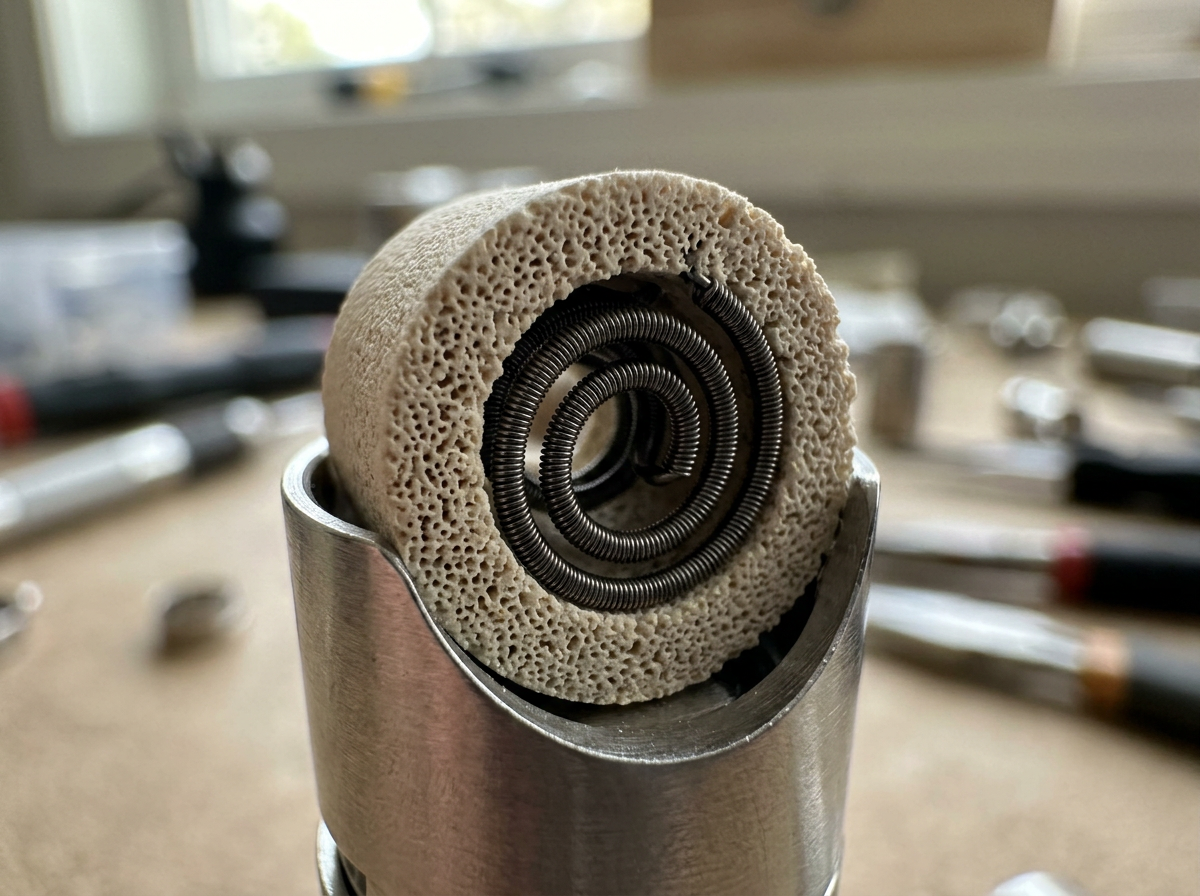
For the hardware itself, understanding the technology is beneficial. Many modern devices feature digital liquid meters, allowing users to monitor their extract levels and avoid dry hits, which can damage coils and produce harsh vapor. Dual-mesh technology in heating elements, for example, is increasingly popular for its ability to provide more even thermal control and enhanced flavor delivery. Leak resistance is another critical feature, preventing wasted product and messy experiences. A cross-section ceramic heating element, for instance, often indicates a design focused on clean, efficient vaporization.
Battery Integrity and Thermal Management
The battery is the powerhouse of any vape device, and its integrity directly impacts both safety and performance. We advocate for devices equipped with high-quality lithium-ion cells, known for their stable power delivery and longevity. Crucial safety features include short-circuit protection, which prevents electrical malfunctions, and overcharge prevention, safeguarding the battery during charging.
The convenience of USB-C fast charging is a welcome addition, reducing downtime, but it must be paired with robust internal circuitry. Dynamic voltage control allows devices to adjust power output based on the coil’s resistance, optimizing vapor production and battery life. Furthermore, auto-shutoff sensors are essential for preventing accidental firing and conserving battery, especially in draw-activated devices. Brands that openly discuss these battery safety features instill greater confidence in their products.
Selecting the Right Device Configuration
Choosing the ideal vape device configuration hinges on a balance between usage longevity, user experience, portability, environmental considerations, and maintenance preferences. The market offers a diverse range of options, from discreet, all-in-one disposable vapes to more robust, refillable pod systems.
For users prioritizing ultimate convenience and minimal commitment, disposable vapes are an excellent choice. They are pre-filled and pre-charged, ready for immediate use, and incredibly portable. However, their single-use nature means they contribute to electronic waste, a factor we encourage consumers to consider. Some manufacturers are addressing this by offering rechargeable disposables, extending their lifespan and reducing waste.
Refillable pod systems, on the other hand, offer greater flexibility and often a more sustainable choice. They allow users to select their preferred extracts, offering a wider range of cannabinoid and terpene profiles. While they require occasional maintenance, such as refilling pods and sometimes replacing coils, they typically have a lower environmental impact per use compared to disposables. They often feature larger battery capacities and more advanced features, catering to users who desire a customizable and long-lasting vaping experience.
Feature Refillable Pod Systems All-in-One Disposable Vapes Usage Longevity Long-term, reusable battery, replaceable pods/coils Short-term, single-use, discarded after use User Experience Customizable, wider extract choice, more features Simple, convenient, no maintenance, limited customization Portability Generally compact, some larger models Highly portable, discreet, pocket-friendly Environmental Lower waste per use, reusable components Higher electronic waste, single-use Maintenance Requires refilling, coil replacement, charging No maintenance, simply use and dispose Cost Higher initial cost, lower ongoing cost (per mL) Lower initial cost, higher ongoing cost (per mL) Beginner-Friendly Moderate learning curve, some simple options Very beginner-friendly, plug-and-play Frequently Asked Questions About Cannabis Vapes
What is the most reliable way to verify extract purity?
The most reliable way to verify extract purity is through a comprehensive Certificate of Analysis (COA) from an independent, ISO-certified third-party laboratory. We look for a QR code on the product packaging that links directly to this COA. A full-panel COA should detail cannabinoid and terpene profiles, as well as screenings for heavy metals, pesticides, residual solvents, and microbial contaminants. This batch-specific documentation provides transparency and assurance that the product meets stringent safety and quality standards. Without a verifiable COA, it’s impossible to confirm the purity or safety of the extract.
How do coil materials impact vapor quality and safety?
Coil materials significantly impact both vapor quality and safety. Porous ceramic coils are widely favored for their ability to evenly heat extracts, preventing scorching and delivering a clean, consistent flavor. They are also known for their inert properties, meaning they are less likely to react with the extract or leach harmful substances. Quartz heating elements are another premium option, offering rapid heating and pure flavor.
Conversely, coils made from lower-quality materials or those that aren’t properly manufactured can lead to inconsistent heating, dry hits, and potentially introduce unwanted metallic tastes or even harmful particles into the vapor. The material’s wicking capability is also crucial; good wicking prevents dry hits, which can produce harsh, burnt-tasting vapor and potentially release harmful byproducts. Always prioritize devices with medical-grade, inert coil materials for optimal safety and vapor quality.
What voltage setting is recommended for cannabinoid extracts?
For cannabinoid extracts, we generally recommend operating at lower voltage settings, typically within the 2.4V to 3.2V range. This approach is crucial for several reasons. Firstly, lower voltages help in terpene retention, preserving the delicate flavors and aromatic compounds that contribute to the extract’s unique profile and potential therapeutic effects. Higher voltages can quickly degrade these sensitive terpenes, leading to a diminished flavor experience.
Secondly, low-voltage operation prevents coil scorching and overheating of the extract. Overheating can not only produce a harsh, unpleasant vapor but also potentially alter the chemical composition of the cannabinoids, reducing their efficacy or creating undesirable byproducts. While some devices offer higher voltage options, these are often better suited for thicker, less volatile concentrates or specific hardware designs. For most standard cannabis vape cartridges and pods, sticking to the recommended low-voltage range ensures a smooth, flavorful, and efficient vaporization experience while prolonging the life of your coil and preserving the integrity of your extract.
Conclusion
Navigating the online cannabis vape market requires a blend of consumer diligence, an understanding of hardware standards, and a commitment to lab verification. We’ve explored the nuances of extract types, from the comprehensive profiles of live resin to the purity of distillates, and the various hardware categories, including 510-thread cartridges, proprietary pod systems, and convenient disposables.
Our emphasis on key quality standards—regulatory compliance, batch serialization, tamper-evident packaging, USP-grade ingredients, and clean-room manufacturing—underscores the importance of choosing reputable brands. We’ve highlighted the critical role of third-party lab testing and the Certificate of Analysis (COA) in verifying product purity and the absence of harmful additives like vitamin E acetate, diacetyl, and pesticide residues.
Furthermore, evaluating hardware engineering, including resistance ratings, wicking dynamics, and battery integrity, is paramount for both performance and safety. By understanding these factors, you can make informed decisions that prioritize your health and satisfaction. Responsible consumption begins with informed purchasing. By applying these guidelines, you can confidently select quality online cannabis products, ensuring a safe, enjoyable, and effective vaping experience with product longevity in mind.

