
Key Takeaways:
- Full arch implant procedures have evolved significantly, offering improved solutions for patients with extensive tooth loss.
- Innovations in implant dentistry have led to more predictable and efficient treatment outcomes.
- Continuous education and training are essential for clinicians to stay up to date with the latest techniques and technologies.
In recent years, full-arch implant procedures have reshaped the landscape of dental implants for patients with complete or near-complete tooth loss. The technique relies on strategically placing multiple dental implants to support a full prosthetic arch, resulting in a stable, natural-feeling restoration. Unlike traditional removable dentures, this approach delivers markedly improved functionality and esthetics, transforming patient experiences and outcomes. Clinicians and patients alike are seeing benefits from educational resources and innovation leaders such as the Pikos Institute, which is helping to elevate standards in implant dentistry.
By mimicking the look, feel, and function of natural teeth, full-arch implant procedures not only restore proper chewing and speaking but also positively affect facial appearance and patient confidence. This modern alternative offers a significant upgrade over traditional removable dentures, delivering superior comfort and durability.
Evolution of Full Arch Implant Techniques
The field of full arch implantology has seen remarkable progress over the past few decades. Pioneering advancements, such as the immediate loading protocol, have dramatically reduced patient wait times by allowing prosthetics to be placed soon after surgery. The introduction of the All-on-4 concept was particularly transformative, as this method minimizes the number of implants required, typically four strategically placed implants per arch, while still supporting a full set of replacement teeth. This has made the procedure more accessible to a broader patient population, including those with compromised bone density.
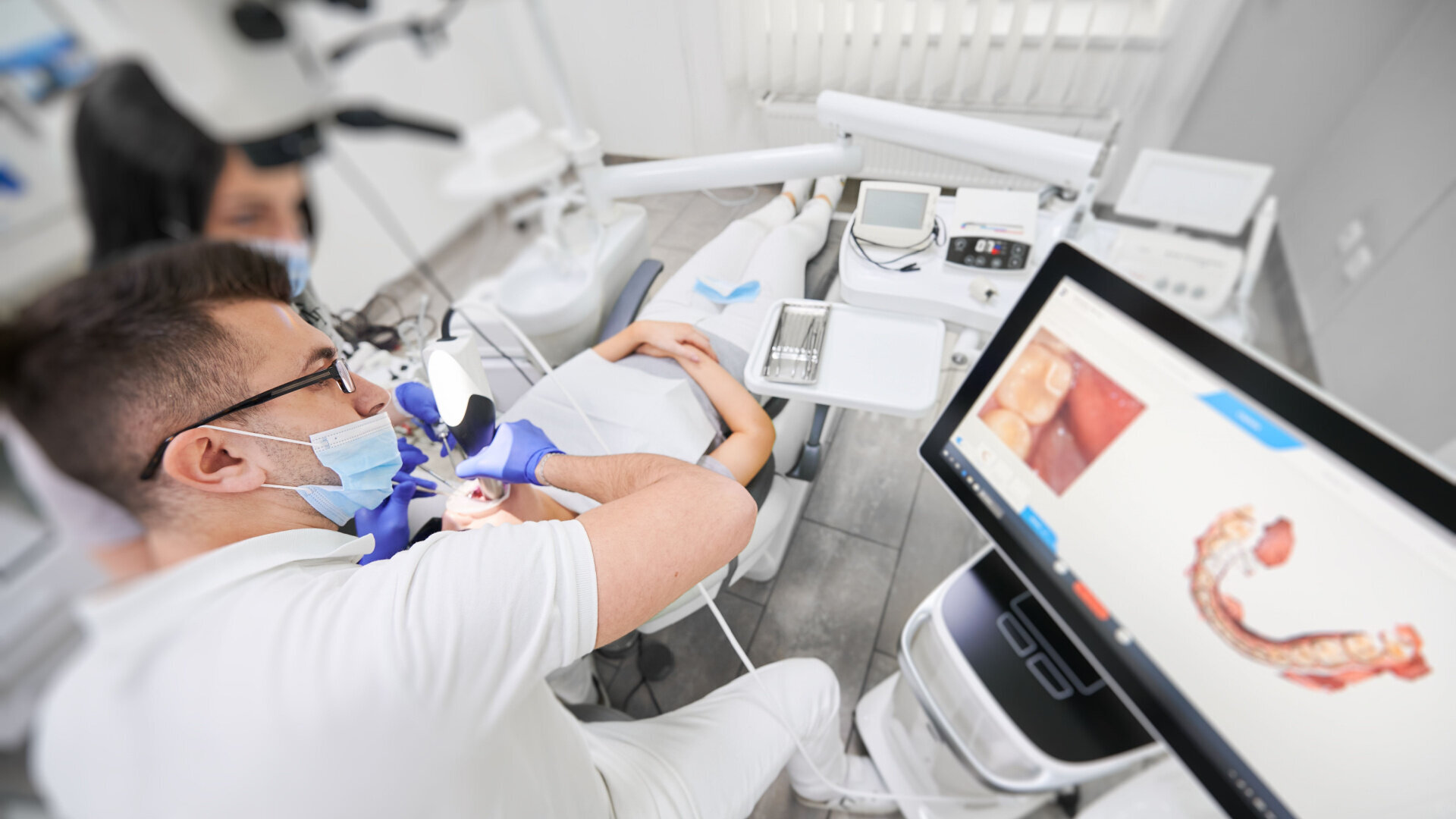
Innovations in surgical planning, such as digital imaging and guided surgery, have enabled highly precise implant placement and reduced complications.
Benefits of Modern Full Arch Implants
Modern full-arch implant systems provide several patient-centered advantages, contributing to their growing popularity. Key benefits include enhanced aesthetics with prosthetics that mimic natural teeth, improved biting and chewing capabilities that expand dietary options, stimulation of the underlying jawbone to prevent bone loss typical of traditional dentures, and significantly higher patient satisfaction and quality of life compared to previous solutions. As advancements in these procedures continue, full-arch implants are increasingly recommended for patients seeking to overcome the limitations associated with removable dentures.
Challenges in Full Arch Implantology
Despite progress, full-arch implantology still presents technical and clinical challenges. Peri-implantitis, a condition characterized by inflammation around the implant, remains a significant concern. Correct implant positioning is crucial, as is accounting for individual anatomical differences such as bone volume and density. These complexities underscore the necessity for clinicians to maintain a high level of proficiency and to continually update their knowledge with the latest best practices.
The need for customized treatment plans can complicate the process, especially when dealing with patients who have experienced significant bone loss or other complicating factors. According to Johns Hopkins Medicine, long-term success depends heavily on careful assessment and ongoing patient care.
Importance of Continuing Education for Clinicians
For dental professionals, staying informed of evolving technologies and techniques is critical for delivering exceptional patient outcomes. Advanced training courses, professional workshops, and live surgical demonstrations play an essential role in helping clinicians develop their skillset. Dedication to ongoing learning not only helps practitioners master new methodologies but also fosters better judgment and adaptability in addressing unique patient needs.
Recent Developments in Implant Education
Educational institutes now recognize the specific competencies required in full arch implantology. In response, comprehensive course pathways are being designed for both emerging and experienced clinicians. A recent trend highlighted in industry news is the proliferation of two-tiered educational programs that equip professionals with both foundational and advanced skills in full-arch implant procedures. These structured learning environments ensure that practitioners can provide consistent, high-quality care, setting a new benchmark for clinical excellence.
Integrating New Techniques into Practice
Integrating advanced techniques into everyday practice necessitates a blend of theoretical knowledge and hands-on clinical experience. Live surgery courses, mentorship opportunities, and real-time case discussions provide invaluable experience for clinicians aiming to refine their proficiency. Immersive educational formats help dentists become familiar with the nuances of full-arch procedures, thereby promoting optimal patient care and safety.
Conclusion
The field of full arch implantology is rapidly advancing, benefiting both patients in need of comprehensive dental restorations and clinicians committed to lifelong learning. New techniques and educational pathways are empowering practitioners to deliver more predictable outcomes, greater comfort, and enhanced satisfaction for their patients. Through dedication to continuous education and the integration of proven advancements, dental professionals are well-positioned to meet the dynamic needs of their patients and drive future innovation in implant dentistry.

