
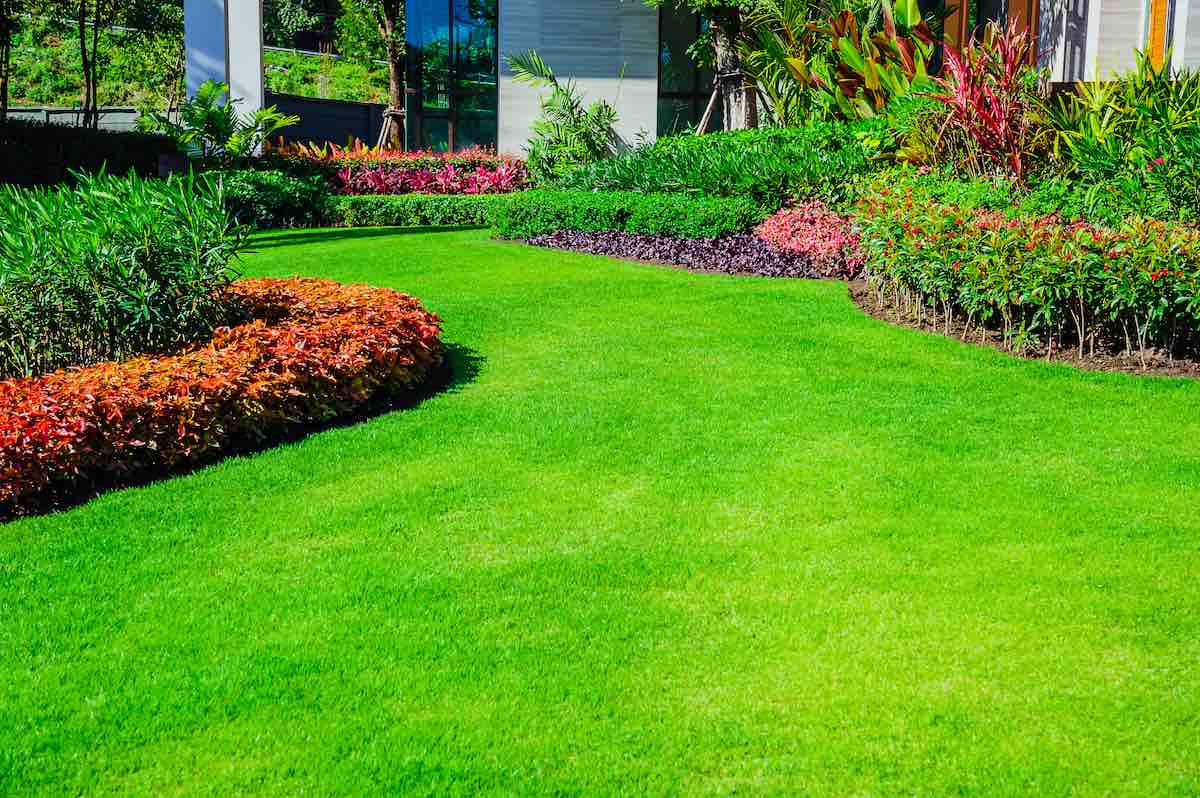
For Australian homeowners, a lush, healthy lawn is the ultimate backyard ambition. However, given our continent’s vast and varied climatic zones—from the tropical humidity of Queensland to the frosty winters of Canberra and the dry heat of Perth—selecting the correct turf is the most critical decision you will make. Planting a turf variety unsuitable for your regional conditions is a guaranteed path to failure, resulting in patchy growth, high water bills, and poor disease resistance.
The key to long-term success lies in understanding the science of grass growth and matching that profile to your local microclimate. This expert guide details the critical factors involved in determining how to choose the right grass type for your climate, ensuring your lawn thrives, not just survives.
Understanding The Two Main Turf Categories
All common Australian lawn varieties fall into one of two fundamental categories, defined by the temperature at which they grow most actively:
Warm Season Grasses (The Australian Mainstay)
Warm season grasses (C4 grasses) are the predominant choice across most of Australia, thriving when temperatures are consistently between 25°C and 35°C. They are incredibly resilient, boasting natural adaptations that make them highly tolerant of intense heat and drought. Their growth habit involves runners (stolons and rhizomes), which allows them to spread, self-repair quickly, and build a dense turf.
- Regions Suited: Queensland (Brisbane), Northern New South Wales (Sydney), Western Australia (Perth).
- Key Characteristic: These grasses enter a state of dormancy and may lose some of their vibrant green colour during winter when soil temperatures drop, but they burst back to life quickly in spring.
Cool Season Grasses (Southern Adaptations)
Cool season grasses (C3 grasses) prefer milder temperatures, typically growing best between 15°C and 25°C. They remain green throughout the cooler months, making them appealing in the south, but they struggle severely when subjected to Australia’s prolonged hot summers.
- Regions Suited: Tasmania (Hobart), cooler parts of Victoria (Melbourne), high-altitude areas like Canberra.
- Key Characteristic: These grasses maintain colour in winter but require significantly more water and tend to die off or enter severe stress during hot, dry summer periods.
Matching Grass Variety To Your Local Climate And Conditions
Within the two main categories, specific varieties offer unique trade-offs in shade tolerance, wear-and-tear resistance, and water efficiency.
| Warm Season Variety | Climate Suitability | Key Performance Traits |
| Buffalo Grass | Temperate to Subtropical | Excellent shade tolerance (best for dappled sun), soft leaf, good drought resistance, low maintenance. Ideal for suburban backyards with established trees. |
| Couch Grass | Subtropical to Arid | High wear resistance, thrives in full sun, exceptional drought tolerance, but can be highly invasive, requiring frequent edging and mowing. Common on sports fields. |
| Kikuyu Grass | Wide Range (Tolerant) | Highly vigorous and fast-growing, quickly repairs, very affordable, and excellent for erosion control, but extremely invasive and needs full sun. |
| Zoysia Grass | Tropical to Temperate | Premium choice. Excellent drought tolerance, fine blade, moderate shade tolerance, and requires very little mowing. Slower to establish but low maintenance long term. |
| Tall Fescue | Cool to Temperate | Best drought resistance among cool-season types due to deep roots. Maintains colour year-round but struggles with extreme heat and high humidity. |
Beyond Climate: Considering Lifestyle And Landscape Factors
The right choice isn’t just about the regional climate—it’s about the microclimate in your backyard and how your family uses the space.
The Shade Factor
If your lawn receives less than four hours of direct sun per day due to buildings or large eucalypts, climate resilience is irrelevant if the grass cannot photosynthesise.
- High Shade: Buffalo varieties are generally the market leaders here. Their broad leaves efficiently capture the limited light available. Some Zoysia varieties also perform well in dappled light.
- Zero Shade: Varieties like Couch and Kikuyu thrive in full, unfiltered sunlight. Planting these in shade will result in thin, pale, patchy turf.
Wear And Tear Tolerance
If your lawn hosts children, pets, or frequent outdoor gatherings, you need a turf variety that can withstand high foot traffic and self-repair quickly.
- High Traffic: Couch and Kikuyu are the most aggressive self-repairers, bouncing back quickly from damage due to their fast-spreading runners.
- Moderate Traffic: Modern Buffalo and Zoysia varieties offer a good balance of softness and resilience for typical family use.
Leveraging Smart Technology For Climate Resilience
Even the most drought-tolerant grass requires consistent and precise water during the critical establishment phase and in prolonged dry spells. In a country where water restrictions are common, managing water usage efficiently is vital to maintaining your chosen turf.
This is where integrating smart garden technology becomes a game-changer. A smart sprinkler system uses a smart sprinkler that connects to local weather data and soil moisture sensors. It automatically adjusts watering schedules based on temperature, recent rainfall, and evaporation rates. This ensures that your lawn receives the exact amount of water it needs for its specific type—for instance, delivering a deep, infrequent soak appropriate for a Zoysia lawn—without wasting precious water through runoff or over-watering.
Whether you are looking to manage a small repair area or ensure your new drought-tolerant Zoysia lawn is maintained perfectly, investing in intelligent outdoor tools is the key to achieving professional-level results. Australian homeowners focused on efficiency and high performance should explore the range of battery-powered outdoor maintenance equipment available through the official Aiper Store Australia. Utilizing these advanced tools simplifies the work of maintaining a beautiful, climate-appropriate lawn throughout the unpredictable Australian seasons.

