
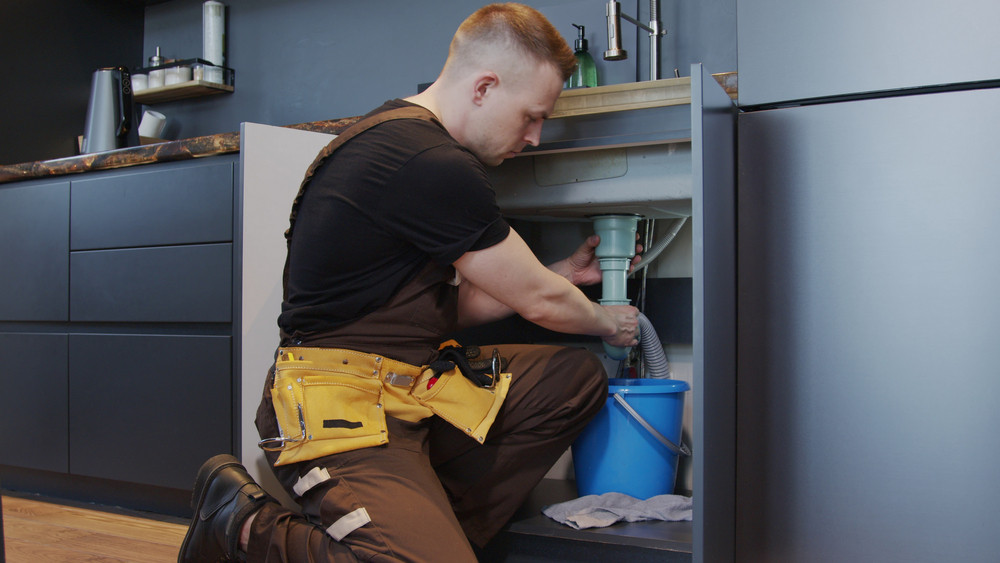
Regular maintenance and timely repairs are crucial for keeping a home in good condition. While some issues may seem minor, delaying repairs can lead to more significant problems that are both costly and inconvenient. This article highlights the most common home repairs that can become expensive if not addressed promptly, exploring critical areas like water systems, septic systems, and HVAC units.
Preventing Water Damage
Water damage is a prevalent issue for many homeowners, often caused by leaky pipes or faulty plumbing systems. A minor leak may not seem problematic, but it can waste up to 3,000 gallons of water annually, according to the Environmental Protection Agency. This not only increases water bills but can also lead to structural damage and mold growth, which can be expensive to repair if left unattended.
Addressing water leaks promptly ensures the home’s infrastructure remains intact. Regular inspections of pipes, faucets, and water heaters can prevent small issues from escalating. Homeowners should consider investing in routine maintenance services to identify and fix potential leaks before they become serious problems.
In addition to direct water damage, delayed maintenance can result in an increase in repair costs. For example, replacing damaged structural components can be far more expensive than fixing a leak early on. Taking swift action not only saves money but also preserves the home’s value and ensures a safe living environment for its occupants.
Maintaining Septic Systems
Septic systems are essential for homes that are not connected to municipal sewer lines, and their maintenance cannot be overlooked. According to the South Carolina Department of Health and Environmental Control, most septic tanks need to be cleaned every three to five years. Regular cleaning and maintenance prevent backups and extend the life of the system, saving homeowners from costly repairs or replacements.
A neglected septic system can lead to severe environmental and health issues. Overflow can contaminate groundwater and surface water, posing risks to local ecosystems and drinking water supplies. Proactive septic system maintenance helps avoid these issues and ensures the system functions efficiently.
Homeowners can prevent system failures by scheduling regular inspections and pump-outs. It is essential to be mindful of what goes down the drains and to avoid flushing non-biodegradable items. Proper maintenance and usage habits can significantly reduce the likelihood of septic system failures, minimizing costly repairs and environmental hazards.
Proper Care of HVAC Units
HVAC units are vital for maintaining comfortable temperature levels within a home, making their proper care essential. According to home improvement expert Bob Vila, a well-maintained HVAC system can last between 15 and 25 years. Ensuring regular maintenance can prevent premature failures and extend the lifespan of the unit, saving money in the long run.
Routine maintenance involves inspecting and servicing various components of the system, including cleaning or replacing filters, checking thermostat settings, and examining electrical connections. Homeowners should schedule professional service at least once a year to maintain optimal performance. This proactive approach ensures the system runs efficiently and mitigates the risk of unexpected breakdowns.
Ignoring maintenance needs can lead to costly repairs or complete system replacement. Keeping the HVAC unit in good condition also contributes to energy efficiency, reducing energy bills and environmental impact. By prioritizing regular check-ups, homeowners can enjoy consistent indoor comfort and avoid high repair expenses.
In conclusion, timely maintenance and repairs are crucial for preserving the integrity and functionality of a home. Issues related to plumbing, septic systems, and HVAC units can escalate quickly if neglected, resulting in costly fixes. Taking proactive steps to address these common home repair needs can help homeowners save money and maintain a safe, comfortable living environment.

