
Key Takeaways:
- Regular asphalt maintenance extends pavement lifespan and reduces repair costs.
- Preventive care enhances safety by preventing hazards like potholes and cracks.
- Consistent upkeep improves property aesthetics and value.
Table of Contents:
- Introduction
- Extending Pavement Lifespan
- Cost Savings Through Preventive Maintenance
- Enhancing Safety and Reducing Liability
- Improving Aesthetics and Property Value
- Environmental Benefits of Regular Maintenance
- Recommended Maintenance Practices
- Conclusion
Maintaining your property’s asphalt surfaces is essential for preserving both functionality and value. Asphalt can deteriorate over time due to weather, chemical spills, and regular usage, but with a proactive maintenance plan, property owners can prevent a host of problems. By investing in consistent care, like hiring an asphalt sealer South Bend IN, the benefits include not only improved safety but significant long-term savings. Prioritizing asphalt maintenance also ensures your property is welcoming and professional, which matters in both residential and commercial settings.
Without routine maintenance, even new pavement can quickly develop issues that compromise both appearance and safety. Small cracks and surface wear may seem harmless at first, but can quickly worsen if not addressed promptly, leading to bigger challenges and expenses. Over time, the difference between a well-cared-for surface and neglected pavement becomes starkly noticeable, affecting not only the day-to-day usability but also the overall reputation of the property. For commercial properties, especially, these issues can translate into lost business opportunities and increased liability.
Extending Pavement Lifespan
Consistent maintenance directly translates to a much longer pavement lifetime. Techniques like sealcoating and crack filling shield asphalt surfaces from harsh weather, UV rays, and water infiltration. When property owners adopt a proactive approach, their pavement can last up to 25 years, some sources even suggest longer with ideal care, while neglected surfaces frequently require full replacement in half the time. Simple maintenance, such as cleaning debris and filling small cracks, protects the underlying structure from damage that can cost much more to repair later. According to the Federal Highway Administration, routine preventive maintenance can reduce the need for frequent and costly reconstructions, keeping your investment in good shape for decades.
Cost Savings Through Preventive Maintenance
One of the primary reasons to prioritize regular asphalt care is the substantial long-term savings. Preventative methods such as sealcoating and crack sealing are much less expensive than large-scale repairs like resurfacing or full replacement. Early intervention, for example, by filling small cracks before water penetrates and destabilizes the base, can reduce your overall maintenance budget significantly. Many industry reports highlight that remedial repairs after major damage can be five to ten times more expensive than routine preventive services. This cost-effectiveness is especially noticeable on commercial or multi-family properties, where surfaces are exposed to heavier traffic and weather.
Moreover, investing in regular care spreads costs over manageable intervals, rather than facing sudden, large expenditures. Most property managers recognize that budgeting for periodic maintenance helps avoid disruptive emergency repairs and unplanned downtime, which can impact business operations and resident satisfaction.
Enhancing Safety and Reducing Liability
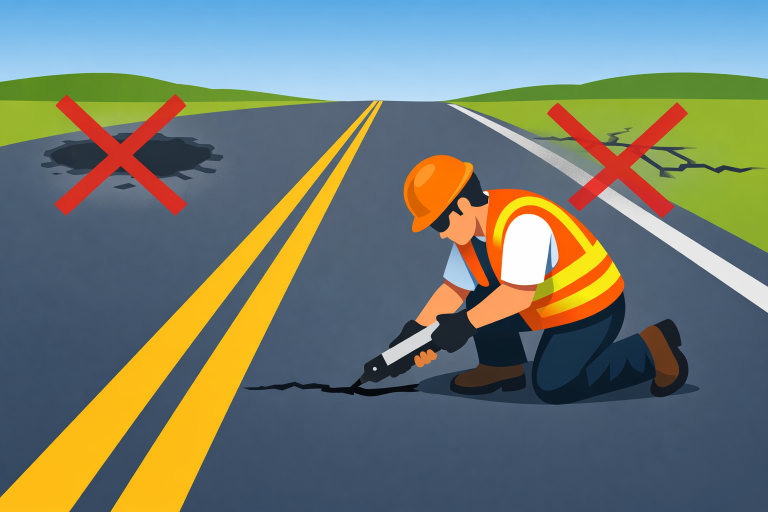
Safety is a crucial reason to keep asphalt surfaces in top condition. When cracks and potholes appear, they can quickly turn into hazards, increasing the risk of trips, falls, and vehicle accidents. Property owners who prioritize repairs not only protect visitors and tenants but also guard themselves from costly liability claims. In settings with frequent pedestrian or vehicular use, such as retail centers, apartment complexes, and warehouses, smooth, even pavement helps ensure a safer environment and lowers the chance of insurance claims and potential lawsuits. Regular inspections and prompt resolution of visible surface issues reflect a strong commitment to public and tenant safety.
Improving Aesthetics and Property Value
First impressions matter. A faded, cracked, or potholed pavement can detract from a property’s look and reduce its perceived value. Routine maintenance, such as fresh sealcoating, gives asphalt a clean, dark finish that complements landscaping and building exteriors. Well-maintained parking lots and driveways show care and attention to detail, attributes that buyers and tenants appreciate. For commercial properties, improved curb appeal can attract more customers while also justifying higher leasing rates. Residential neighborhoods with orderly, well-kept roads and driveways tend to see the positive ripple effect of increased home values and community pride.
Environmental Benefits of Regular Maintenance
Sustainable property management increasingly calls for strategies that reduce waste and energy consumption. Regular asphalt maintenance helps prevent the need for complete replacements, which require significant materials and generate substantial waste. By intervening early and often with targeted repairs, property owners can conserve resources, making their maintenance approach more eco-friendly. Many communities now encourage or even require green initiatives, and diligent asphalt care aligns well with these goals, supporting environmental responsibility in practical terms. Reducing the need for large, energy-intensive projects also lessens disruptions to surrounding ecosystems and neighborhoods.
Recommended Maintenance Practices
- Sealcoating: Apply a protective layer every two to three years to block UV rays, minimize water infiltration, and maintain a rich color.
- Crack Sealing: Address cracks as soon as they appear, using flexible sealants designed to expand and contract with the pavement.
- Regular Inspections: Conduct thorough assessments at least twice a year, especially after harsh winters or heavy storms, to identify any emerging issues.
- Cleaning and Debris Removal: Sweep asphalt surfaces regularly to prevent the accumulation of materials that can degrade the surface over time.
- Patching and Pothole Repair: Patch areas with early signs of wear or minor potholes before they expand, ensuring overall surface stability and smoothness.
Conclusion
By making asphalt maintenance a priority, property owners ensure their surfaces remain safe, attractive, and functional for many years. The benefits, longer pavement life, substantial cost savings, enhanced aesthetics, safety, and reduced environmental impact, are tangible and far-reaching. Implementing a consistent maintenance plan is one of the smartest investments you can make for your property, no matter its size or primary function.

