
Reducing your energy bill at home can seem like a daunting task, but it’s easier than you might think. With a handful of strategic changes, you can significantly cut down on unnecessary expenses. This guide provides practical steps to help you start saving on energy and help the environment in the process.
Identify and Fix Water Leakages
Leakages can often go unnoticed, yet they contribute significantly to water wastage and elevated utility bills. According to estimates from the Environmental Protection Agency, more than 10,000 gallons of water are wasted annually in the United States due to small leaks. It’s crucial to periodically check for leaks in faucets and pipes at home and fix them promptly to prevent this unnecessary waste.
Begin by inspecting areas prone to leaks, such as under sinks, around toilets, and outside spigots. Even minor leaks can snowball into serious problems, including increased water costs and potential structural damage. Many leaks are easily fixable, and a quick response will save both water and money over time.
Additionally, incorporating water-saving technologies such as low-flow faucets and dual-flush toilets can further minimize water usage. Small conscious efforts to identify and fix leaks can lead to substantial savings. By addressing these issues, homeowners can enjoy a more efficient water system and lower bills.
Invest in Proper Attic Insulation
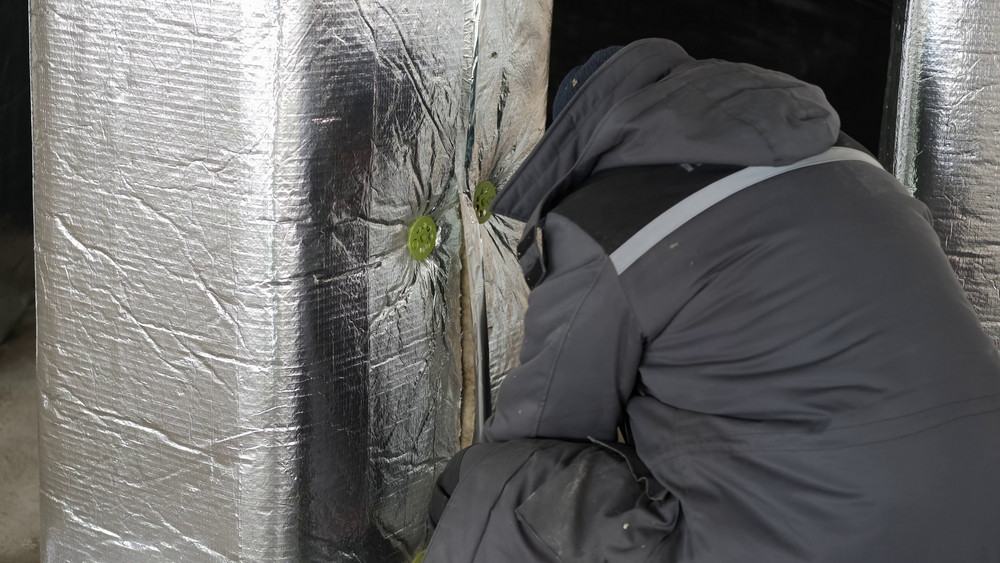
Attic insulation plays a key role in maintaining the temperature of your home, providing both comfort and cost savings. A properly insulated attic can lead to savings of between 10% and 50% on heating and cooling expenses. Beyond financial savings, adequate insulation also prevents ice dams from forming, thereby reducing the need for costly roof repairs.
The attic is often one of the most overlooked parts of a home when it comes to energy efficiency, yet it offers one of the most significant returns on investment. Without proper insulation, heat can escape during the winter and penetrate in the summer, making your HVAC system work harder than necessary. Updating your attic insulation is a one-time investment that not only reduces energy bills but also increases overall home comfort.
Beyond energy savings, insulation can improve the air sealing of your home, contributing to a healthier living environment. Use of environmentally friendly and high-performance insulation materials can further enhance energy efficiency. In the end, homeowners reap the dual benefits of comfort and reduced utility bills.
Optimize Thermostat Settings
One simple yet effective strategy for lowering energy costs involves adjusting your home’s thermostat settings. The Department of Energy reports that households can cut their HVAC bills by 5% to 15% yearly by lowering their thermostat by 10 to 15 degrees for eight hours per day. Such adjustments are particularly beneficial when the house is empty, such as during work or overnight hours.
Programmable thermostats automate this process, ensuring your heating and cooling systems operate most efficiently. By setting schedules for temperature adjustments, you can minimize energy use without compromising comfort when the household is active. Smart thermostats take this even further by learning your habits and optimizing settings accordingly.
In addition to direct savings, optimizing your thermostat can enhance the lifespan of your HVAC systems by reducing wear and tear. By lowering the temperature setting in the winter and raising it in the summer, you create an environment where these systems don’t have to work as hard. Embracing automation not only saves money but also simplifies energy management in your home.
There are numerous approaches to lowering your energy bill, ranging from simple tweaks to more considerable upgrades. While some solutions might involve initial investments or minor inconveniences, the long-term benefits and savings cannot be overstated. By making conscious efforts to identify leaks, improve insulation, and optimize thermostat settings, you can effectively take charge of your energy usage, benefitting both your wallet and the environment.

