
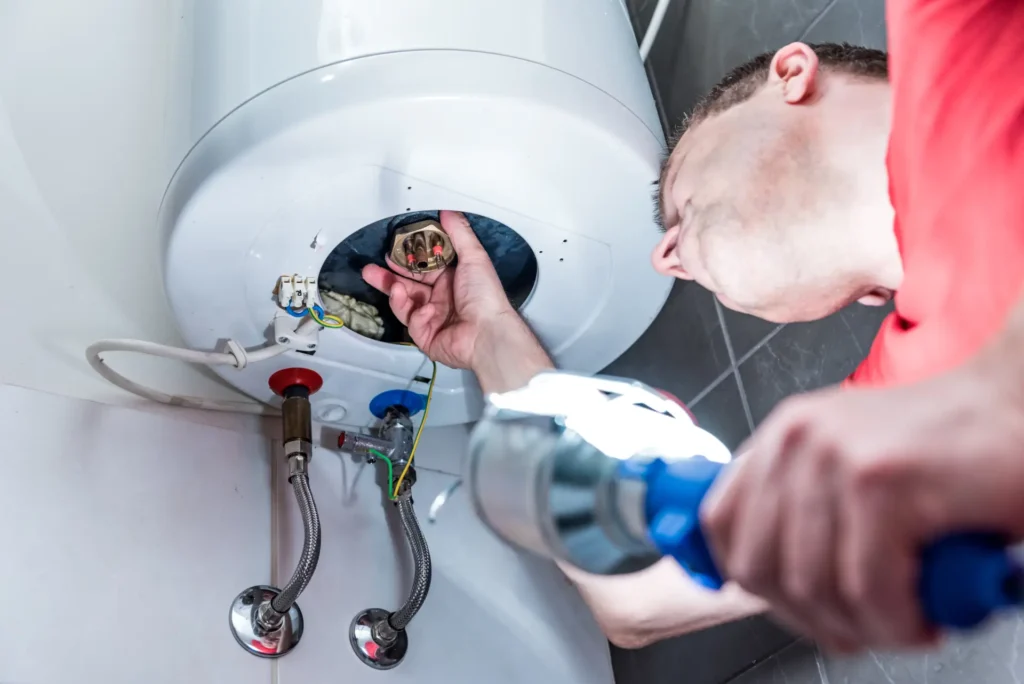
A water heater usually does not fail without leaving a few clues first. Shorter showers, strange sounds, rusty water, and small puddles can all signal that the system needs attention. Acting early can help prevent water damage, avoid an unexpected loss of hot water, and give homeowners more time to weigh repair versus replacement.
If your system is showing warning signs, professional Water Heater Repair Denver service can help identify whether the issue is a minor component problem or a sign that the unit is nearing the end of its useful life. You do not need to diagnose every part yourself, but knowing what to watch for makes it easier to respond safely.
Common Water Heater Warning Signs
Hot Water Runs Out Too Quickly
If hot water disappears sooner than it used to, the cause could be sediment buildup, a worn heating element, thermostat trouble, or a change in household demand. Notice whether the issue happens during every shower or only when multiple appliances are using hot water at once.
Water Temperature Changes Without Warning
Sudden swings from hot to cool water may indicate a heating, thermostat, mixing valve, or fuel-related issue. Check whether the problem affects every hot-water fixture. If it happens only at one sink or shower, the fixture itself may be contributing to the problem.
Popping, Rumbling, or Hissing Sounds
Tank-style water heaters can become noisy when minerals settle at the bottom of the tank. Sediment can make heating less efficient and may create popping or rumbling sounds as water heats beneath the buildup. A new or worsening sound is worth documenting and having inspected.
Rust-Colored or Odd-Smelling Hot Water
Discolored hot water can point to corrosion inside the tank or a worn anode rod, which is designed to help protect the tank from rust. Compare hot and cold water from the same faucet. If only the hot water looks rusty, the water heater is more likely to be involved.
Moisture, Drips, or Pooling Water
A loose connection or valve may cause a repairable drip, while water coming from the tank body itself is often more serious. Even a small leak can damage flooring, stored belongings, nearby walls, and electrical equipment. Clear the area around the heater and address active water quickly.
Higher Energy Bills
A gradual increase in utility costs may mean the unit is working harder to heat water. Check for other explanations first, including seasonal temperature changes, increased hot-water use, or newly added appliances. Still, declining water-heater efficiency should be part of the conversation.
Safe Checks Homeowners Can Make
Basic observation can provide useful information without creating unnecessary risk. Start with these steps:
- Look for moisture around the base, fittings, drain valve, and nearby floor.
- Read the manufacturer’s label and note the model, serial number, fuel type, and age.
- Determine whether the issue affects all hot-water fixtures or just one.
- Review the external thermostat setting, if accessible, without opening panels.
- Keep boxes, paint, chemicals, and other stored items away from the unit.
- Write down when noises, odors, leaks, or temperature changes occur.
Do not remove electrical covers, open gas controls, disconnect venting, or test pressure-relief equipment unless you understand the manufacturer’s instructions and can do so safely.
When to Call a Professional
Call promptly for a steady leak, spreading water, a gas odor, soot, damaged venting, scalding water, recurring breaker trips, or no hot water after basic checks. Gas, electrical, combustion, and pressure-related problems can become serious quickly. If it is safe to do so, shut off the appropriate supply according to the unit instructions, keep people away from the area, and arrange qualified service.
Repair or Replace? A Simple Decision Guide
Repair May Be the Better Choice When
- The tank body is sound and does not show major corrosion.
- There is one isolated issue, such as a thermostat, heating element, valve, or pilot component.
- The repair cost is modest compared with replacement.
- The unit still provides enough hot water for the household.
Replacement May Make More Sense When
- The tank itself is leaking.
- Multiple parts are failing, or repair visits are becoming frequent.
- Performance is declining despite repairs.
- The household has outgrown the system’s hot-water capacity.
- A newer model could improve efficiency, comfort, or available space.
Consider the unit’s age, repair history, tank condition, current performance, estimated repair cost, and installation requirements for a replacement. A lower-cost repair is not always the best value if another major component is likely to fail soon.
Comparing Water Heater Options
Traditional Storage Tank
Traditional tank water heaters store a supply of heated water for later use. They are familiar, widely available, and often have a lower initial cost, but they require floor space and can lose heat while standing by.
Tankless Water Heater
Tankless systems heat water as it is needed. They can save space and provide continuous hot water when sized correctly, but installation may require electrical, gas-line, or venting upgrades. Peak demand, not just household size, is important when choosing capacity.
Heat Pump Water Heater
Heat pump water heaters move heat from the surrounding air instead of producing heat in the same way as a standard electric tank. They can be highly efficient, though they need appropriate space, drainage, and operating conditions. The U.S. Department of Energy offers helpful guidance on comparing efficiency ratings and life-cycle costs for residential water heaters.
Solar-Assisted Systems
Solar water heating can work well in the right home, but roof space, local climate, backup equipment, and installation cost all affect whether it is practical.
Efficiency and Long-Term Costs
Purchase price is only part of the equation. Compare expected energy use, maintenance needs, service life, installation changes, and the space available in your home. Look at the EnergyGuide label and Uniform Energy Factor rather than relying only on marketing claims. Reducing hot-water waste also matters. Fixing leaks, using efficient fixtures, insulating accessible hot-water pipes, and selecting a reasonable temperature setting can all help. The EPA’s WaterSense guidance for homes provides additional ideas for reducing water waste.
A Simple Maintenance Plan
Monthly
- Check for leaks, corrosion, damp flooring, and unfamiliar sounds.
- Keep the surrounding area clear and accessible.
Annually
- Review the heater’s age, condition, and performance.
- Follow the owner’s manual for flushing, descaling, or filter care.
- Have safety controls, venting, connections, and the anode rod checked when appropriate.
Before Extended Travel
Use a vacation setting if the manufacturer provides one. If freezing weather is possible, ask a qualified professional about safe shutoff procedures. Check for leaks before leaving and again after returning.
Common Questions About Water Heaters
How often should a water heater be checked?
A quick visual check each month and a more thorough annual review are practical for many homes. Water quality, household demand, and the manufacturer’s instructions may call for more frequent service.
Is a noisy water heater always failing?
No. Noise may be related to sediment or normal operation, but persistent, loud, or worsening sounds should be inspected.
Can a water heater leak be repaired?
Leaks at fittings, valves, or connections may be repairable. A leaking tank body usually means replacement is the safer long-term option.
What temperature is usually recommended?
Many households use a setting around 120°F, but health needs, local guidance, appliance instructions, and scalding risk can affect the right choice.
Final Takeaway
Water heaters often provide early warnings before a major failure. Watch for changing temperatures, strange sounds, rusty water, leaks, and unexplained energy costs. A short inspection and timely professional advice can make it easier to choose maintenance, repair, or replacement with confidence. The best system is the one that safely fits your home’s demand, space, and long-term budget.

