
Post Preview
Key Takeaways
- Regular inspections and pumping prevent system failures.
- Conserving water reduces strain on the septic system.
- Proper waste disposal maintains system efficiency.
- Protecting the drain field ensures effective wastewater treatment.
Table of Contents
- Regular Inspections and Pumping
- Conserve Water
- Proper Waste Disposal
- Protect the Drain Field
- Use Septic-Safe Products
- Be Mindful of What You Flush
- Landscaping Considerations
- Educate Household Members
Maintaining a healthy septic system is vital for any homeowner who wants to avoid costly repairs, protect property value, and safeguard their family’s health. Whether you’re new to septic system care or want to ensure you’re following best practices, understanding proper maintenance is key. For residents in the Denver area, finding professional assistance, such as Affordable Septic Service Denver, can ensure your septic system receives the attention it needs for longevity and efficiency.
Septic systems require regular care and a conscious effort to prevent irresponsible waste disposal or water overuse. Small changes in day-to-day habits can protect your system, prevent expensive emergencies, and reduce your environmental footprint. Following established guidelines not only saves money but also offers peace of mind by keeping your property free from septic problems.
Proper septic care extends beyond hiring professionals. Simple, consistent actions like monitoring inspections, choosing the right cleaning products, and teaching others in your household about septic safety all contribute to a healthier system. This guide outlines the most effective ways to achieve lasting performance and avoid the stress of a failed septic system.
By understanding the critical aspects of septic system care, homeowners can enjoy lasting benefits without disruption or environmental risks. When each family member participates and does their part, you safeguard not only your property investment but also your community’s health. For more information, see the U.S. Environmental Protection Agency’s household wastewater treatment advice.
Regular Inspections and Pumping
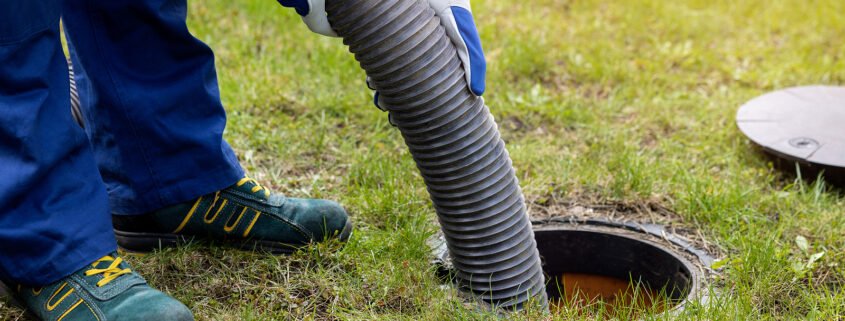
Routine inspections and professional pumping rank among the most important preventative measures for any septic system. The U.S. Environmental Protection Agency recommends inspections every 1 to 3 years and pumping every 3 to 5 years, depending on the size of your tank and the number of people in your household. Regular maintenance allows early detection of system issues, supports efficient operation, and prolongs the lifespan of your septic infrastructure. For more detailed guidance, the EPA provides a thorough resource on septic system care.
Conserve Water
Reducing the volume of water flowing into your septic system is essential to prevent overload. Fixing leaks, installing water-efficient toilets and showerheads, and spreading out laundry loads throughout the week are effective ways to limit water use. Excessive water entering the system can cause untreated wastewater to flow out of the tank, risking contamination and costly damage. Mindful water conservation ensures your septic system works as designed and extends its service life.
Proper Waste Disposal
Knowing what to put down your drains is vital for system performance. You should never pour grease, oils, non-biodegradable garbage, or harsh chemicals into drains connected to your septic tank. These items can clog pipes, kill essential bacteria, and lead to system failures. Always dispose of hazardous waste at authorized facilities and non-biodegradable items in the trash to keep your septic system operating smoothly.
Protect the Drain Field
The drain field is a vital component of your septic system, responsible for safely dispersing treated wastewater into the soil. To protect it, avoid driving or parking vehicles over the drain field, as this compacts the soil and reduces its effectiveness. Make sure your property’s drainage directs rainwater and roof runoff away from the drain field to prevent oversaturation. Additionally, plant only shallow-rooted grass or plants nearby, and keep trees and shrubs at a safe distance to avoid invasive roots.
Use Septic-Safe Products
Household cleaning supplies can impact septic system health. Always opt for cleaning agents labeled as septic-safe or biodegradable. Harsh chemicals, including bleach and strong disinfectants, can kill the beneficial bacteria your system relies on to break down waste. Phosphate-free and environmentally friendly products are preferable, as they help sustain a balanced ecosystem in your tank.
Be Mindful of What You Flush
Only flush human waste and septic-safe toilet paper. Even products labeled “flushable,” such as wipes or feminine hygiene products, should not be flushed down a septic system. These items do not break down easily and can cause costly blockages, backups, or component failures. Educate your family and guests about what is appropriate to flush to avoid unnecessary repairs.
Landscaping Considerations
Landscaping around your septic system requires thoughtful planning. Use grass or shallow-rooted plants over the drain field to combat erosion and promote evaporation, while keeping larger shrubs and trees farther away. Avoid any gardening or landscaping that encourages deep root systems near your septic tank or drain field, as roots can damage pipes and cause blockages. Ensure any grading around the septic area slopes away from the septic area to prevent water pooling, which could saturate the soil and reduce wastewater absorption.
Educate Household Members
A well-maintained septic system results from everyone in the home knowing how their actions affect system performance. Teach all household members, including children, about the importance of water conservation and proper disposal. Share common warning signs of septic trouble, such as slow drains or foul odor, so that issues can be addressed quickly. Strong communication and routine training go a long way in keeping your system healthy and your property protected.
Adopting these key habits allows homeowners to avoid emergencies, prevent environmental contamination, and enjoy reliable waste treatment for years. Regular inspections, responsible water use, proper waste disposal, and a well-informed household together form the foundation of effective septic system management.

