
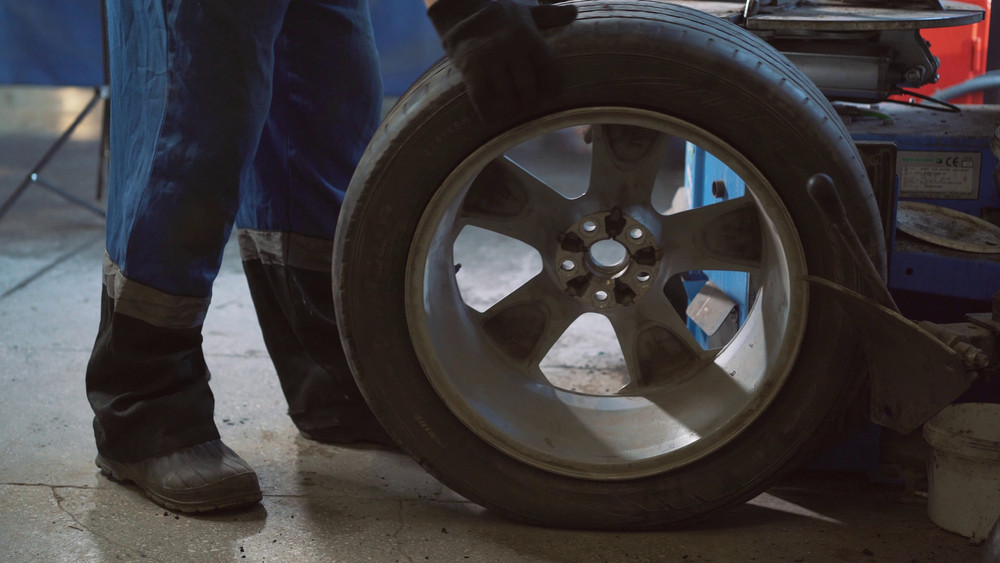
When was the last time you actually looked at your tires? For most of us, tires fall into the “out of sight, out of mind” category of car maintenance. We jump in the driver’s seat, turn the key, and expect those four round pieces of rubber to get us safely to our destination. Because modern tires are engineered so incredibly well, it is easy to take them for granted.
However, ignoring your rubber can lead to costly and dangerous consequences. Your tires are the only point of contact your vehicle has with the asphalt, and keeping them in top shape is vital for your safety, your wallet, and your vehicle’s performance. Here is why you might want to give them a closer look today.
The Hidden Culprit Behind Roadside Breakdown Statistics
Car trouble always seems to strike at the worst possible moment, during a heavy downpour, when you are late for a meeting, or in the middle of a road trip. While many drivers worry about engine failure or a dead battery, the reality on the shoulder of the highway looks quite different.
According to data compiled by Carsurance, more than half of all roadside breakdowns (54% to be exact) are triggered by issues relating to tires.
This means that a large number of stranded motorists could have avoided the hassle and expense of calling a tow truck by performing basic tire maintenance. Blown sidewalls, slow leaks, and sudden flats are frequently the result of long-term neglect rather than a single piece of debris on the road. When you fail to monitor things like air pressure and tread wear, you drastically increase your chances of becoming part of that 54% statistic.
Understanding the Hidden Hazards of Poor Tire Condition
Driving on neglected tires does not just risk a minor delay; it fundamentally alters how your car handles emergencies. As tire tread wears down or air pressure drops, your vehicle loses its ability to grip the pavement effectively. This becomes especially dangerous on wet, icy, or uneven roads where traction is everything.
A study by Bridgestone reveals that a motorist is three times more likely to get into an automobile accident if their vehicle is suffering from poor tire conditions.
Think about that for a second: simply neglecting your rubber triples your crash risk. When your tread is low, your stopping distance multiplies, and your vehicle becomes highly susceptible to hydroplaning—a terrifying situation where your tires lose contact with the road and slide on a thin layer of water. Ensuring your tires are healthy is one of the easiest ways to keep yourself and your passengers safe.
Extending Tire Lifespan with a Simple Maintenance Routine
If you want to maximize the life of your rubber and avoid premature replacements, routine care is your best friend. Tires do not wear down evenly on their own. Because the front of your car carries the weight of the engine and handles all the steering, front tires experience completely different forces than the rear ones. Left alone, the front tread will bald much faster than the back. To combat this uneven wear, industry experts at J.D. Power advise that drivers should have their tires rotated every 5,000 to 7,500 miles.
Regularly swapping the positions of your tires ensures they wear down at a uniform rate. This simple practice not only preserves predictable handling and traction across all four wheels, but it also saves you money by significantly extending the overall lifespan of the entire set.
Your tires work incredibly hard every single day to keep you moving smoothly. But as the data shows, treating them as an afterthought can quickly lead to dangerous safety risks and unexpected breakdowns. Taking just five minutes every month to inspect your tread depth, check your air pressure, and schedule routine rotations can make all the difference. Don’t wait until you are stranded on the side of the highway, take a moment to check your tires today.

